13 Chestnut Hair Color Ideas for Warm, Rich Fall Highlights
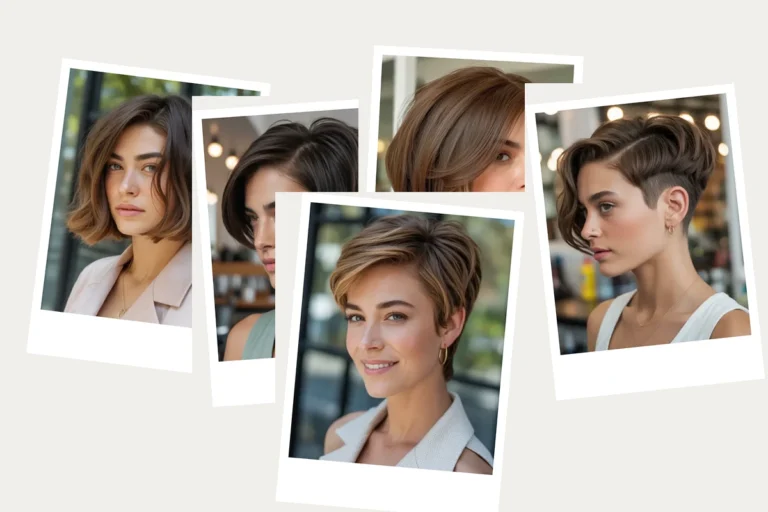
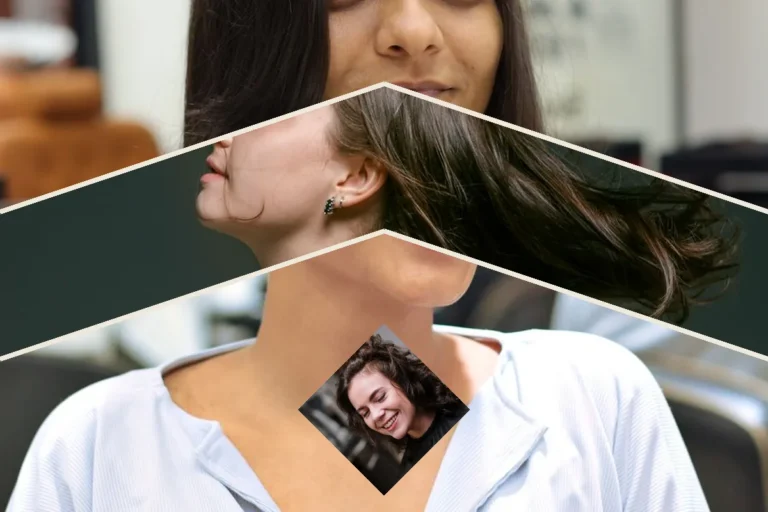
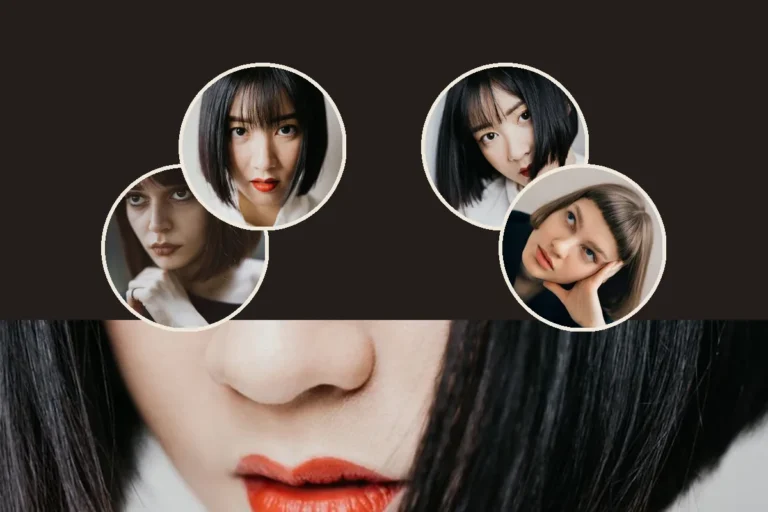
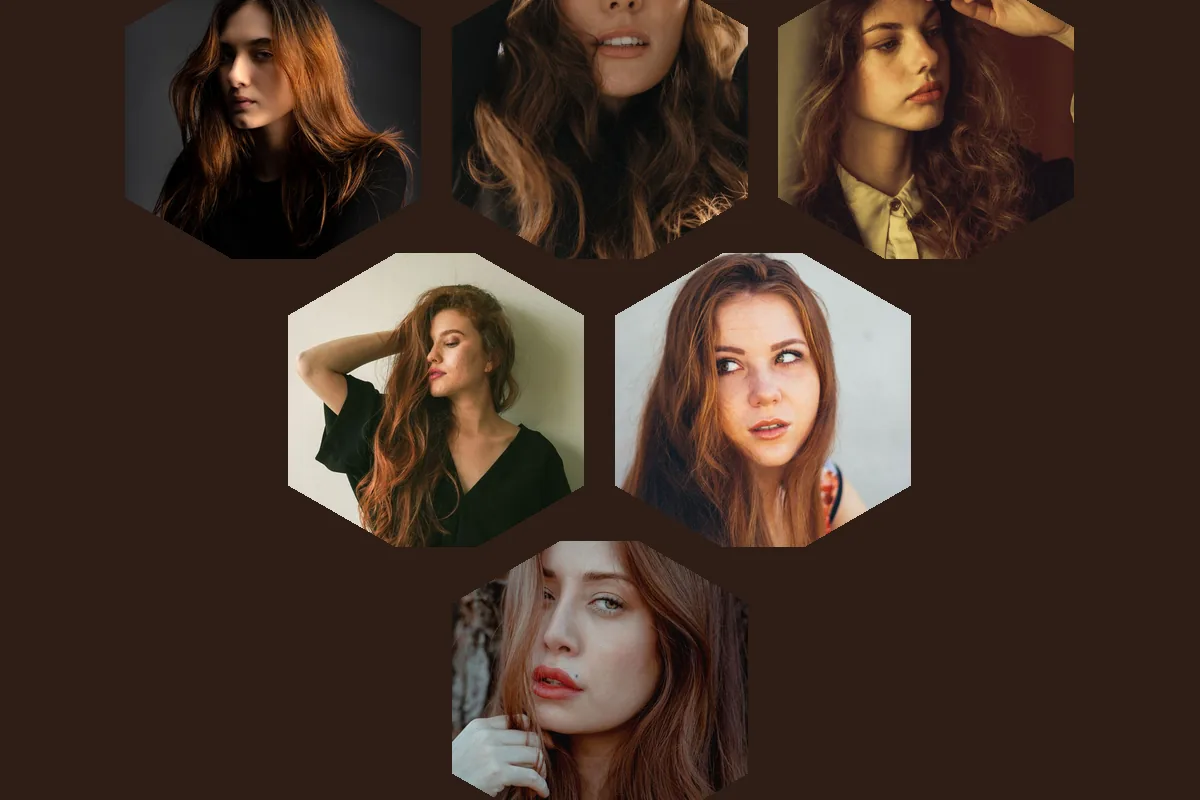
Chestnut is the hair color equivalent of a perfect autumn afternoon — warm, rich, and flattering on almost everyone. It sits in that sweet spot between brown and red, with golden undertones that make skin glow and eyes look brighter. Unlike bolder reds, chestnut grows out gracefully and works with your natural base instead of fighting it. These 13 chestnut hair color ideas range from subtle all-over warmth to dimensional balayage and glossy ombre, so whether you want a whisper of change or a full transformation, there’s a shade here with your name on it.
1. Classic Chestnut Brown

Classic chestnut brown is an all-over color with warm, reddish-golden undertones — rich but never flat. Ask your colorist for a level 4 to 5 brown with warm reflect, and bring a photo since chestnut reads differently on everyone. It flatters warm and neutral skin tones most, making brown eyes glow. Maintenance is easy: a color-safe shampoo and a gloss every six to eight weeks keeps the warmth from going dull. The perfect entry point if you’ve never colored before.
2. Chestnut Balayage Blend

Chestnut balayage paints warmth exactly where the light hits. Your colorist hand-paints chestnut and caramel ribbons through the mid-lengths and ends, leaving your natural base at the roots. The grow-out is famously graceful — no harsh lines, just soft dimension that lasts three to four months. It suits every hair length and flatters all skin tones, since the colorist can tune the warmth to you. Ask for a money-piece-free, blended result for the most natural finish.
Quick Win: Ask for the balayage to start lower on the back sections — it creates a more expensive, lived-in blend that grows out even more gracefully.
3. Honey Chestnut Waves

Honey chestnut waves combine warm brown depth with golden honey ribbons woven through. The honey pieces are typically one to two levels lighter than the chestnut base, concentrated around the face and through the ends. Style in loose waves to show off the dimension — straight hair hides the blend. This shade flatters olive and warm skin tones beautifully, and the multi-tonal finish photographs gorgeously in natural light. A glossing treatment every two months keeps the honey from fading brassy.
4. Dark Chestnut Gloss

A dark chestnut gloss is all about shine. The color sits close to your natural dark brown, but the warm chestnut reflect and glassy finish make it look expensive. Ask for a demi-permanent gloss in a warm brown shade — it deposits tone without lifting, so there’s zero damage and the grow-out is invisible. It suits anyone who wants richness without commitment, and it flatters cool skin tones too, since the depth keeps it from reading too warm.
5. Chestnut Hair with Curtain Bangs

Chestnut color paired with curtain bangs is a combination that flatters nearly everyone. The warmth of the chestnut lights up the face-framing bangs, drawing attention to the eyes and cheekbones. Keep the bangs at cheekbone length so they blend into the rest of the hair. Any chestnut shade works here — the cut does half the flattering. Style the bangs with a round brush for that soft, parted sweep, and the color’s dimension does the rest.
Quick Win: Blow-dry curtain bangs immediately after washing — letting them air-dry flat makes them lie limp against the warm color instead of sweeping.
6. Caramel Chestnut Highlights

Caramel chestnut highlights are the sun-kissed version of the trend. Fine caramel ribbons are woven through a chestnut base, concentrating brightness around the face and ends. The contrast is soft — think half a level to a full level lighter — so it reads natural, not striped. It flatters medium to dark bases best and grows out beautifully. Ask your colorist for babylights through the top layers for the most seamless blend.
7. Chestnut Copper Blend

The chestnut copper blend pushes toward red without going full copper. Your colorist melts a chestnut base into coppery mid-lengths and ends, creating a fiery but wearable gradient. It flatters fair to medium skin with warm undertones especially, making green and hazel eyes pop. Copper tones fade faster than other reds, so plan on a color-depositing conditioner or gloss every four to six weeks. The payoff is a shade that turns heads in every light.
Quick Win: Wash in cool water and stretch washes to twice a week — copper molecules rinse out faster than any other tone.
8. Soft Chestnut Ombre

Soft chestnut ombre keeps the roots natural and lets the warmth build toward the ends. Unlike dramatic ombres, the transition here is gradual — your colorist blends the chestnut tone down over several inches so there’s no visible line. It’s the lowest-maintenance color on this list, needing only a toner refresh every ten to twelve weeks. It flatters long hair most, since the gradient needs length to show off, and it grows out like a dream.
9. Chestnut Money Piece Highlights

Chestnut money pieces frame the face with two brighter front sections. Ask your colorist to lighten the front strands one to two levels above your chestnut base, keeping the warmth consistent so it blends rather than stripes. The brightness draws the eye upward and makes the whole color look more dimensional. It works on every base shade and grows out softly. Pair it with face-framing layers for maximum effect.
10. Golden Chestnut Blowout

Golden chestnut is the brightest, most sunlit version of the shade — warm brown shot through with golden reflect that glows in a blowout. Ask for a level 5 to 6 base with golden warmth, and style with a round brush for maximum shine, since smooth hair shows the golden tones best. It flatters warm skin tones and makes the hair look thicker than it is. A shine spray on the finished blowout amplifies the golden effect beautifully.
Quick Win: Finish every blowout with a cool shot aimed down the hair shaft — it seals the cuticle and makes golden tones look twice as shiny.
11. Chestnut Brown with Soft Auburn Tones

Soft auburn tones woven through chestnut brown create depth with a whisper of red. Your colorist adds auburn lowlights or a sheer auburn gloss over a chestnut base — the red is present but never dominant. It flatters fair skin with pink undertones especially, and it makes blue eyes stand out. This is the shade for anyone curious about red but not ready to commit. Maintenance is simple: color-safe products and a gloss when the red starts to fade.
12. Dimensional Chestnut Layers

Dimensional chestnut layers use the cut to show off the color. Multiple tones — chestnut, caramel, and a touch of gold — are placed to follow the hair’s layers, so every layer catches a different shade. Ask for the color and cut in the same appointment so your colorist can place the tones precisely. It flatters layered cuts most and makes fine hair look significantly fuller. The multi-tonal finish means regrowth blends invisibly.
Quick Win: Ask your colorist to place the lightest tone on the layers around your face — that is where dimension reads most clearly and photographs best.
13. Chestnut Beige Blend

The chestnut beige blend cools things down — chestnut warmth tempered with soft beige tones for a sophisticated, muted finish. Ask your colorist for a chestnut base with beige balayage ribbons, keeping the overall effect neutral rather than golden. It flatters cool and neutral skin tones that can’t wear golden warmth, and it reads modern and understated. The beige tones need a toner refresh every eight weeks to stop them drifting warm.
Quick Win: Use a blue-toned shampoo once a week without fail — it keeps the beige ribbons from warming up between toner appointments.
Your Next Step This Week
Chestnut proves that the most flattering color is often the most natural-looking one. Bring reference photos to your consultation, be honest about your maintenance appetite, and let your colorist tune the warmth to your skin tone. A good chestnut should make people notice you, not your dye job. Pick your shade, book the appointment, and enjoy the glow — that warm, lit-from-within richness is what makes chestnut unforgettable.
Frequently Asked Questions
What skin tones look best with chestnut hair?
Chestnut flatters most skin tones because it comes in warm, neutral, and cool-leaning versions. Warm golden chestnuts suit warm and olive skin, while beige-blended chestnuts work for cool undertones. Your colorist can adjust the reflect to match — that’s the real secret.
Are chestnut highlights low maintenance?
Generally yes, especially balayage and ombre versions where the roots stay natural. All-over chestnut needs a refresh every six to eight weeks as it fades. Any red-toned color fades faster than ash tones, so color-safe shampoo and cooler wash water help a lot.
Will chestnut hair fade quickly?
The warm red molecules in chestnut rinse out faster than cooler tones, so some fading is normal. You can slow it dramatically with color-safe shampoo, washing less often, and a gloss or color-depositing conditioner every month. Most people need a tone refresh every six to ten weeks.
What hairstyle shows off chestnut highlights best?
Waves and curls show dimensional color best, since the bends catch different tones. Layered cuts also display the blend beautifully. Very sleek, straight styles can work too, but they show less of the multi-tonal effect that makes chestnut special.
How do I keep chestnut hair glossy?
Gloss comes from a smooth, sealed cuticle. Use a weekly deep-conditioning mask, finish blowouts with a cool shot, and add a drop of shine serum to the ends. A clear or chestnut-tinted gloss treatment at the salon every six to eight weeks restores that fresh-color shine.