18 Best Cuts for Fine Hair That Feel Light, Full & Bouncy
Fine hair isn’t the problem — the wrong cut is. If your strands fall flat by noon, tangle at the nape, and refuse to hold a curl, you don’t need another product; you need a shape built for the texture you actually have. Over-layering, thinning shears, and heavy length are what make fine hair look limp, but the right cut can make it look thicker, bouncier, and fuller in a single salon visit. These 18 best cuts for fine hair are chosen for exactly that job — blunt edges that fake density, stacked backs that lift, and smart layering that moves without going wispy. Find the one that fits your routine below.
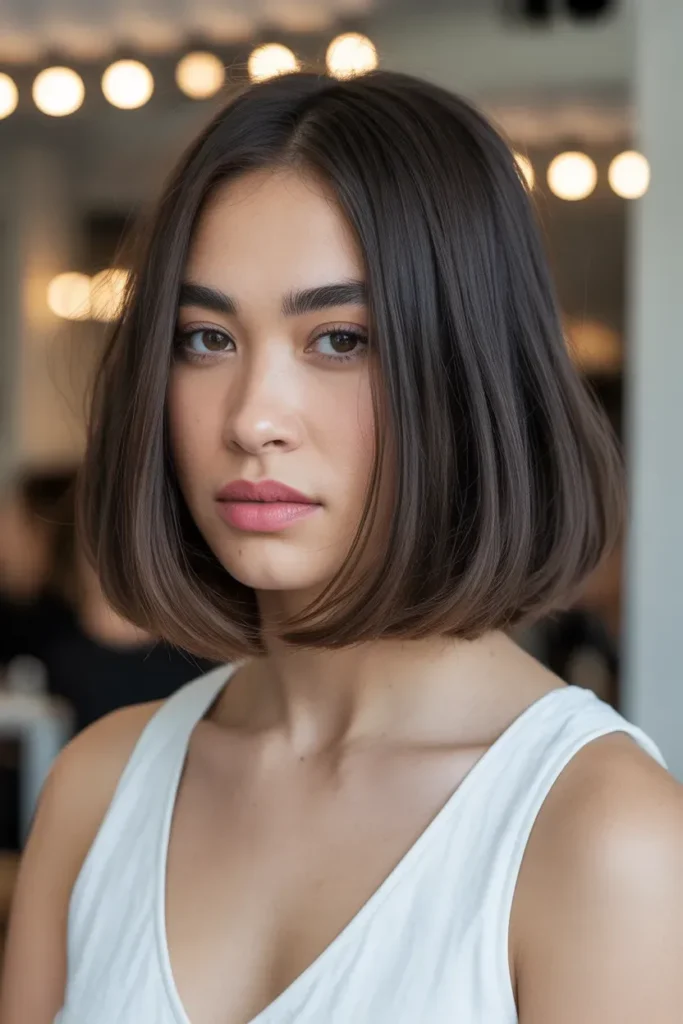
1. Blunt Micro Bob
A micro bob ends just below the ear, and its razor-sharp perimeter is the fastest way to fake density on fine hair. Every strand ends at the same point, so the hemline looks thick instead of feathered. Ask your stylist to keep the perimeter clean with zero thinning shears and to hold the length above the jawline for maximum swing. Blow-dry with a round brush, tucking the ends under slightly, and finish with a pea-sized amount of smoothing cream. Trims every six weeks keep the edge crisp.
2. Soft Layered Lob
A lob that grazes the collarbone with soft, long layers gives fine hair movement without sacrificing fullness. The layers stay long and blended rather than chunky, so the ends keep their weight. Ask your stylist for face-framing layers that start below the chin and a barely-there texturizing at the very ends. Style with a volumizing mousse at the roots and a one-inch curling iron bent away from the face for loose waves. It air-dries nicely too, making it one of the lowest-effort best cuts for fine hair.
Quick Win: Flip your part to the opposite side while hair is damp — fine hair holds that extra root lift all day.
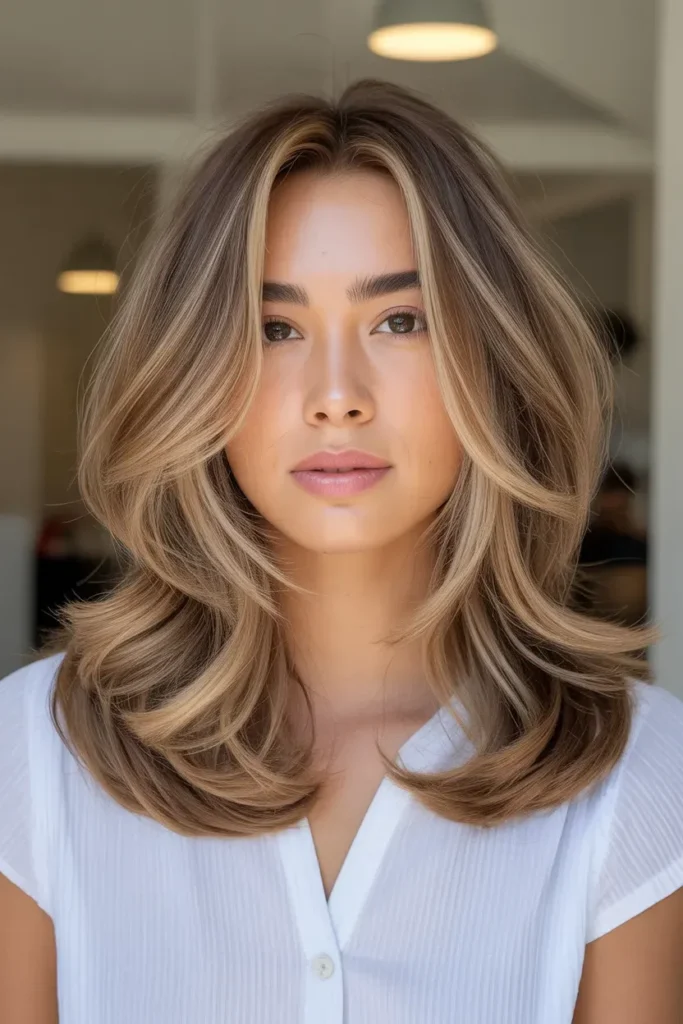
3. Textured Pixie Cut
A textured pixie removes weight where fine hair needs it least and adds piece-y definition where it needs it most. Choppy layers through the crown create lift that fine hair can’t build on its own at longer lengths. Ask your stylist to point-cut the ends for softness instead of blunt-cutting, and keep the sides tapered rather than buzzed. Work a small dab of matte paste through dry hair with your fingertips, lifting pieces upward. It grows out gracefully, needing only a shape-up every five to seven weeks.
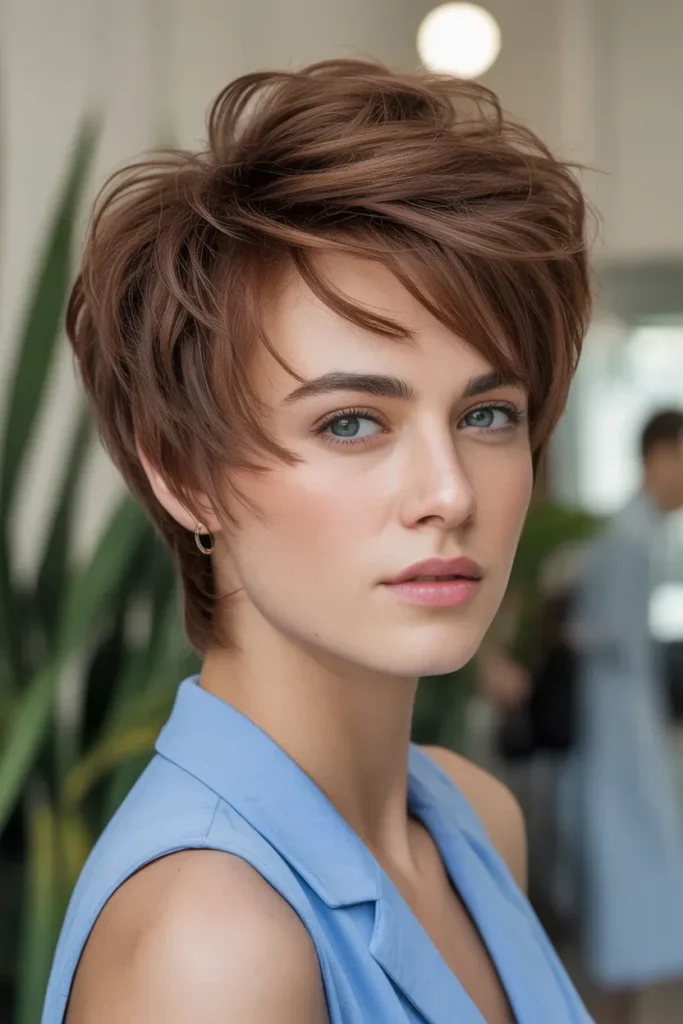
4. Feathered Shoulder Cut
Feathered layers through a shoulder-length cut give fine hair that airy, blown-out movement without hollowing out the ends. The feathering starts mid-shaft, so the perimeter keeps its density while the mid-lengths bounce. Ask your stylist for slide-cut layers that flip outward and a clean, unthinned baseline. Blow-dry with a large round brush, rolling sections outward at the ends, then mist with a flexible-hold spray. Skip heavy oils here — a light dry texture spray keeps feathered ends from clumping together.
Quick Win: Blow-dry upside down for the last two minutes; fine hair picks up surprising volume at the crown this way.
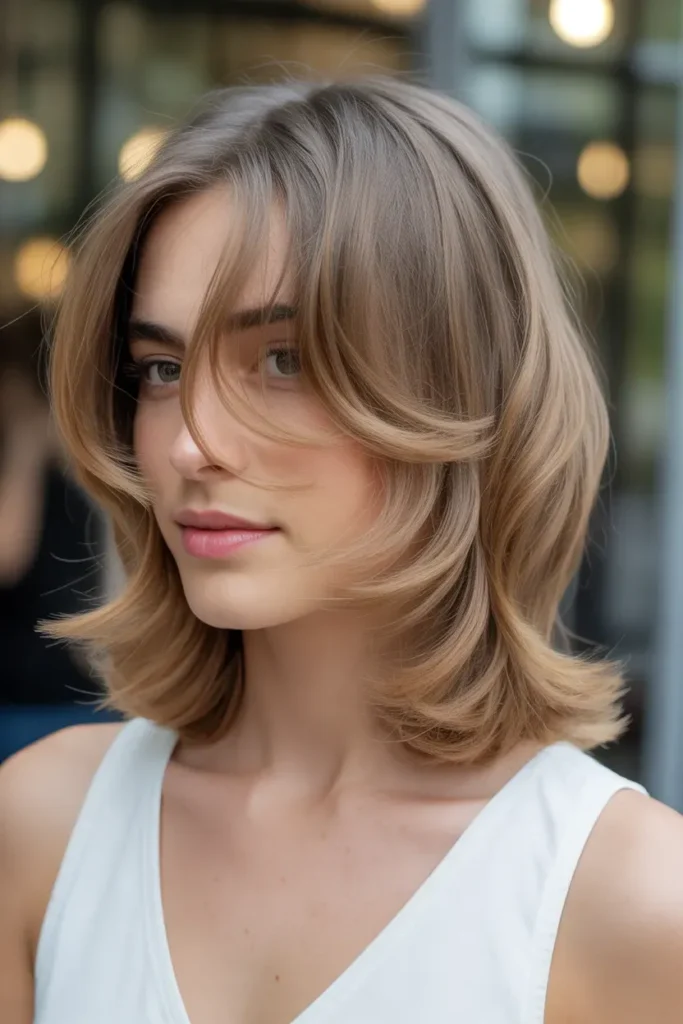
5. Chin Length Bob
Ending right at the chin, this bob draws a strong horizontal line that makes fine hair look instantly denser. The compact shape stacks all your ends in one place instead of stringing them out. Ask your stylist for a slightly undercut nape so the hair hugs inward naturally, and keep the front a touch longer than the back for a modern line. Straighten with a flat iron using a slight inward bevel, or wear it with natural texture for an undone finish. It photographs beautifully from every angle.
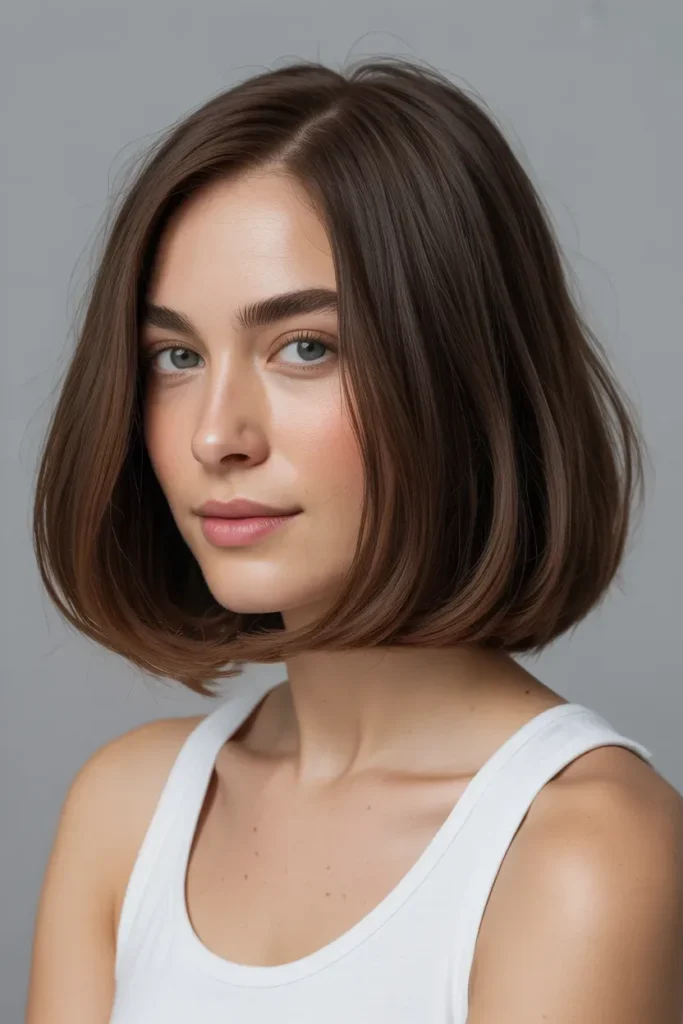
6. Wispy Bangs Lob
Wispy bangs add interest up front without stealing the density fine hair needs through the lengths. The lob stays one length through the back while feather-light fringe softens the forehead. Ask your stylist to cut the bangs dry so they land exactly right, and keep them sheer enough to see a little skin through. Style the bangs first with a small round brush, directing them side to side for a soft split. A dry shampoo at the fringe roots on day two keeps them fresh and separated.
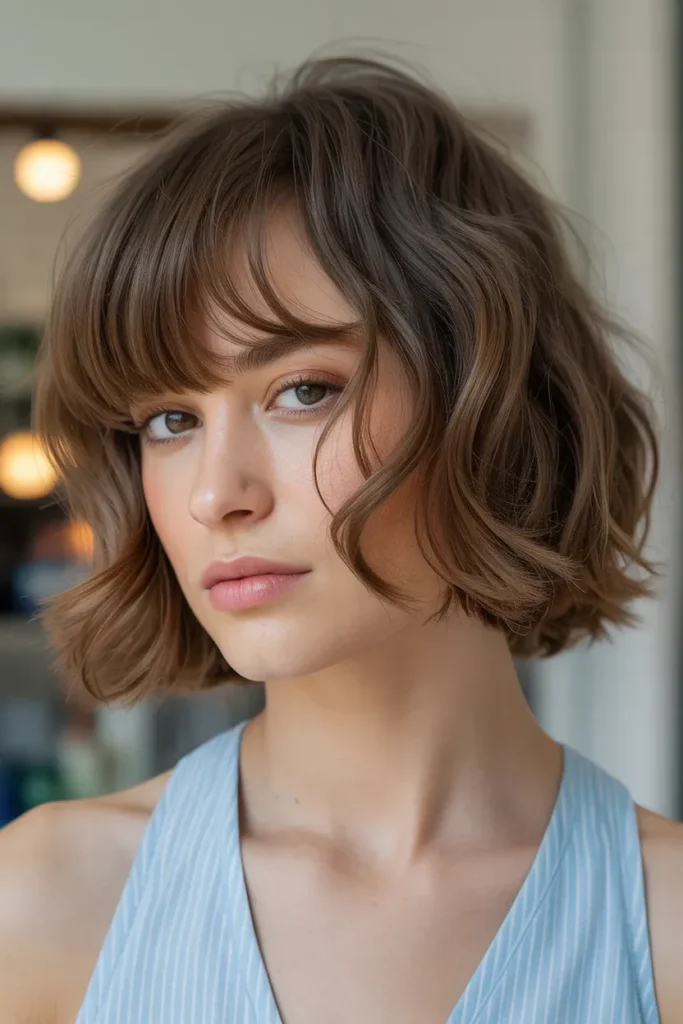
7. Stacked Volume Bob
A stacked bob builds graduated layers through the back that push fine hair up and out, creating volume no product can fake. The nape sits short and tight while top layers cascade over it for a rounded, full silhouette. Ask your stylist for visible stacking at the crown with the front left longer to balance the shape. Blow-dry the back sections upward with a round brush to lock in the lift. It’s the go-to among the best cuts for fine hair when crown flatness is the main complaint.
Quick Win: Sleep in a loose high bun; the stacked back springs up with fresh volume in the morning.
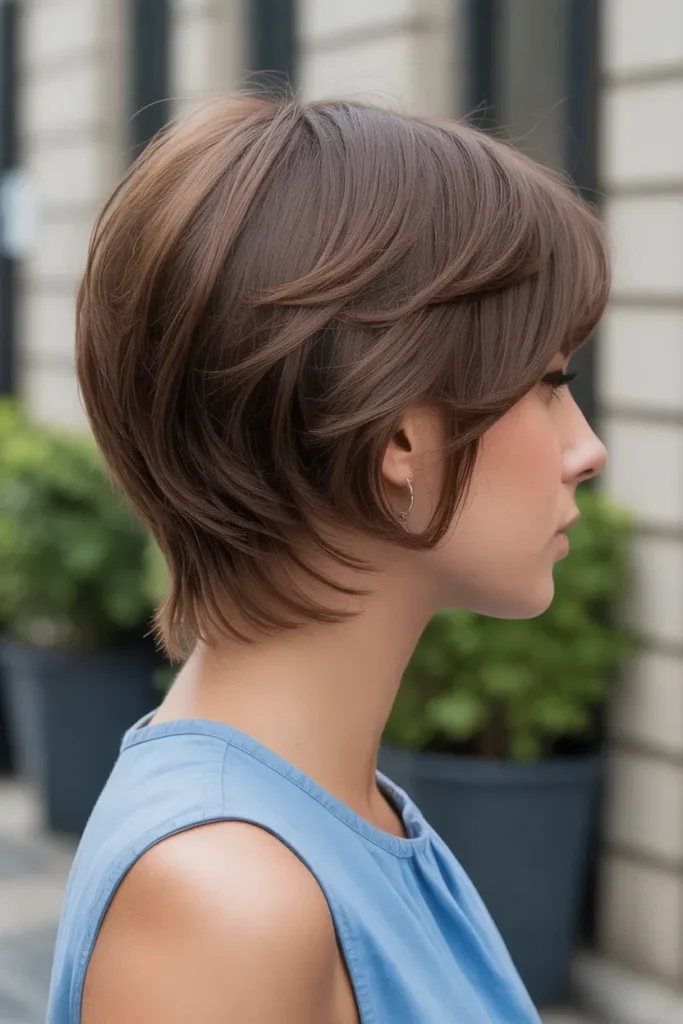
8. Collarbone Blunt Cut
Hitting right at the collarbone, this blunt cut keeps every strand at one length so fine hair reads as thick from root to tip. No layers means no wispy ends, and the mid-length keeps enough weight to swing. Ask your stylist for a clean perimeter and absolutely no thinning, plus a slight forward angle for edge. Flat-iron in small sections for a glassy finish, or add a single bend with a straightener for soft movement. Because it relies on the blunt line, book trims every six to eight weeks.
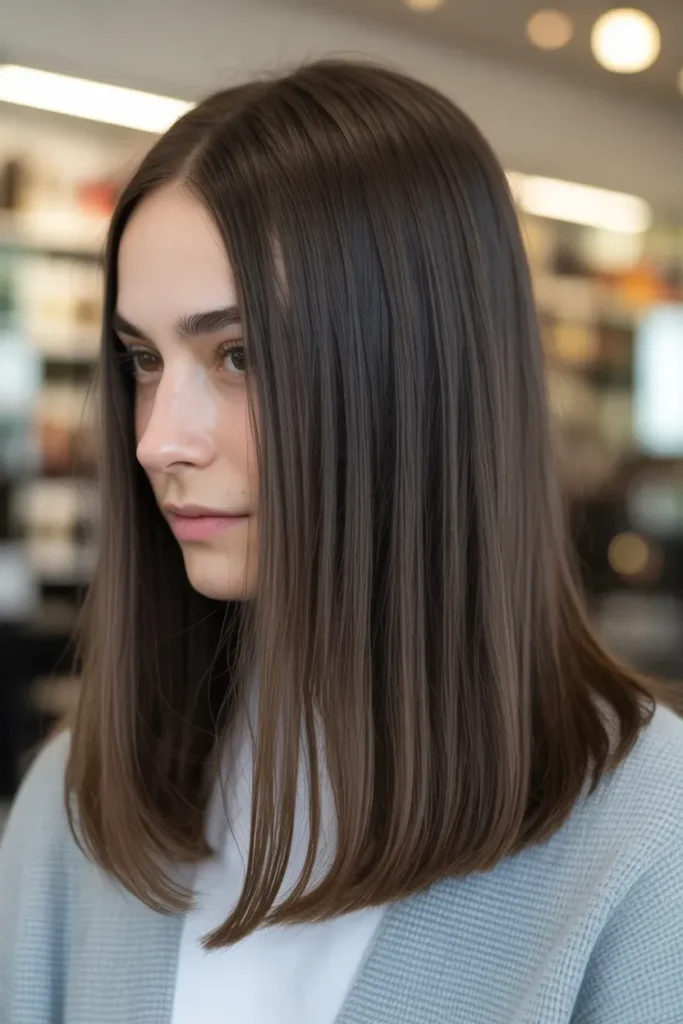
9. Soft Shag Bob
A shaggy bob with soft, lived-in layers gives fine hair texture and movement while keeping the silhouette compact enough to look full. The layers are shorter around the crown for lift and longer through the sides for balance. Ask your stylist for point-cut ends and a curtain-style fringe that blends into the layers. Scrunch a salt spray into damp hair and diffuse on low heat for piece-y definition. It looks better slightly undone, so this is one of the most forgiving best cuts for fine hair.
Quick Win: Sprinkle a pinch of texturizing powder at the crown roots — it doubles shaggy volume in seconds.
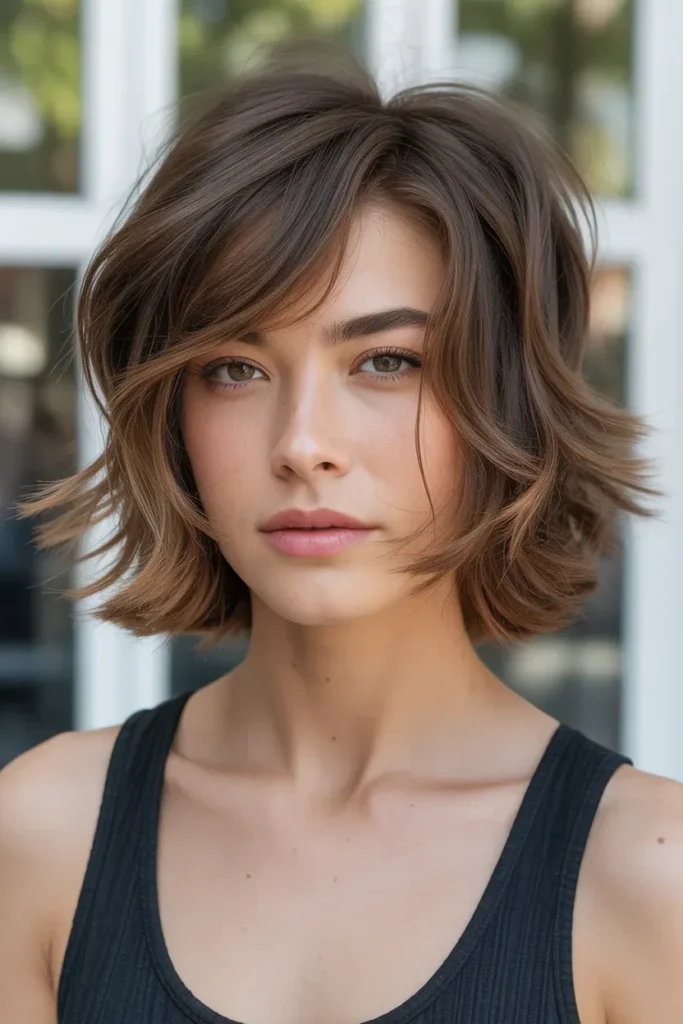
10. Airy Layered Mid Cut
This mid-length cut uses long, airy layers that float through the hair rather than chopping it up, so fine strands keep their fullness. Layers start at the cheekbones and graduate down, creating soft movement that catches light. Ask your stylist to keep the baseline strong and to layer with a razor only on the surface, never underneath. Blow-dry with your head flipped for root lift, then smooth the ends with a paddle brush. A shine spray on the mid-lengths makes the layering look expensive and deliberate.
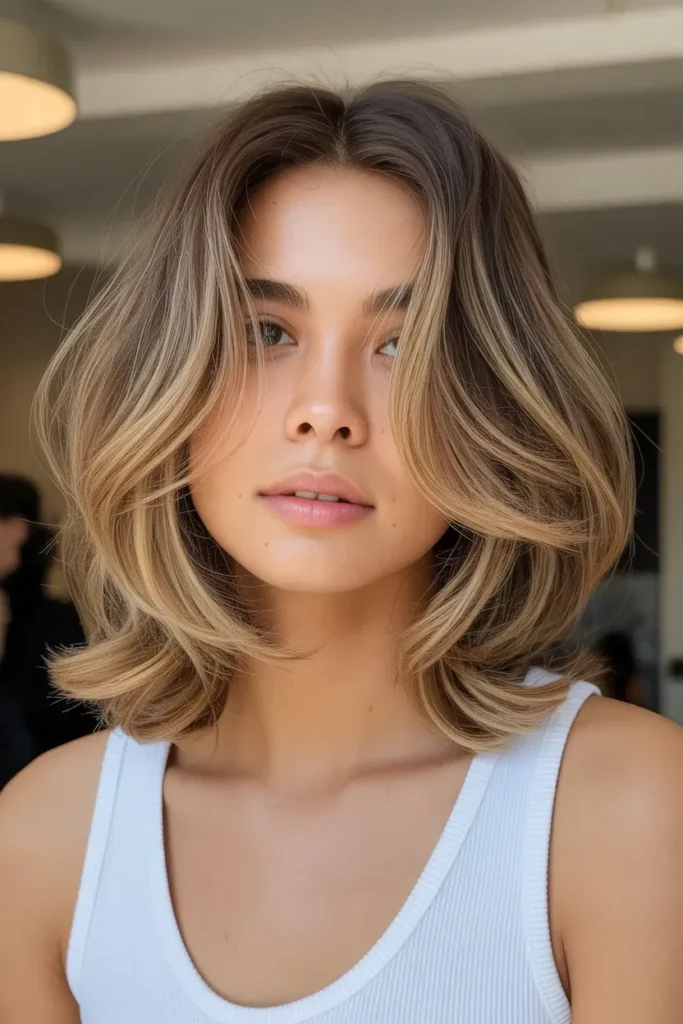
11. Short Blunt Pixie
A short, blunt pixie concentrates all your hair’s density into a compact shape that looks deliberately thick. The clean lines around the ears and nape make fine hair appear fuller than any grown-out style can. Ask your stylist for a defined perimeter with soft texture only on top, and decide together on fringe length — a longer sweep adds versatility. Rub a tiny amount of pomade between palms and press it through for a polished finish. Trims every four to six weeks keep the shape sharp and intentional.
Quick Win: A deep side part on a blunt pixie instantly doubles the visual weight on one side.
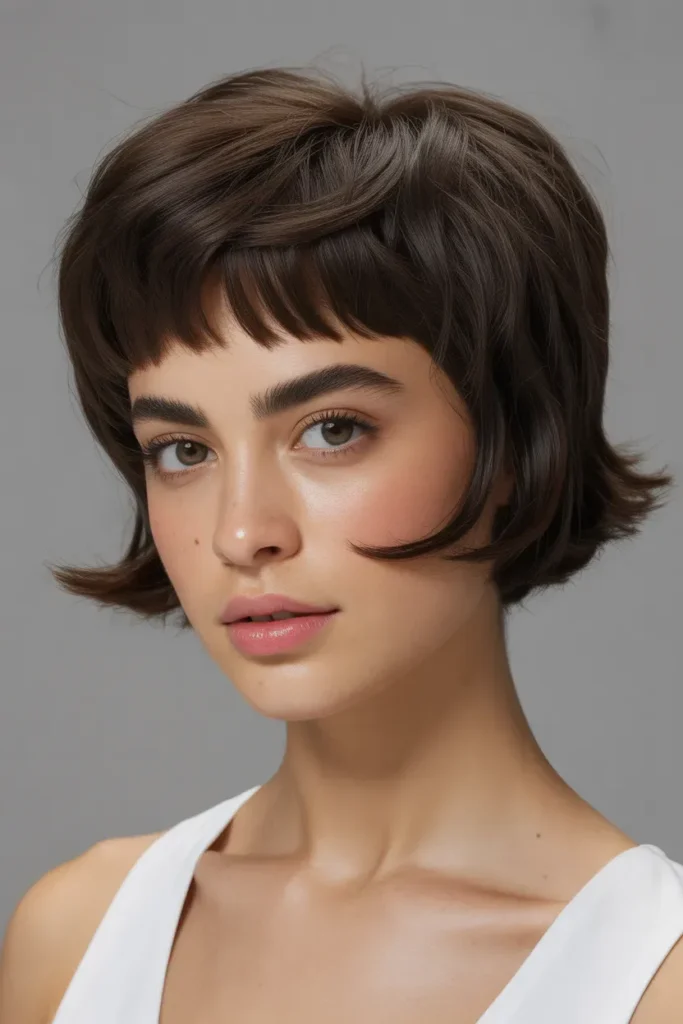
12. Curtain Fringe Lob
Curtain fringe paired with a lob frames the face while the one-length back keeps fine hair looking dense. The fringe parts in the middle and sweeps outward, blending into the longer lengths so nothing looks sparse. Ask your stylist to cut the curtain pieces to cheekbone length and keep the rest of the lob blunt. Blow-dry the fringe with a round brush, rolling away from the face on each side. This combination flatters most face shapes and grows out softly into face-framing layers.
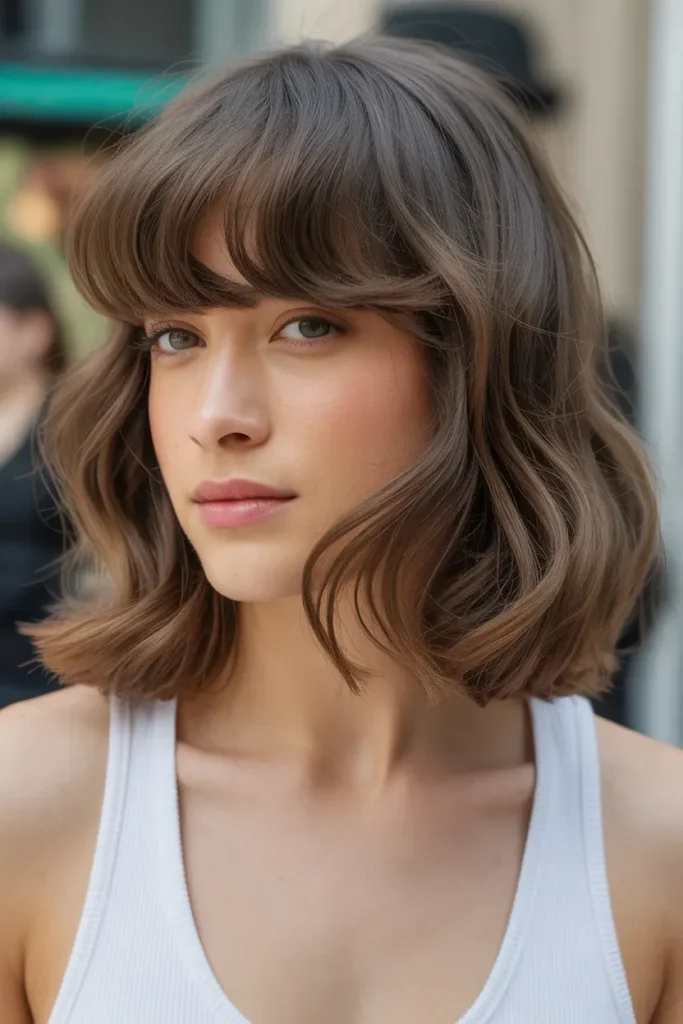
13. Graduated Bob Cut
A graduated bob stacks weight at the back and releases it toward the front, giving fine hair a full, rounded shape with natural lift. The graduation does the volumizing work, so you need less styling effort each morning. Ask your stylist for a clean graduation line at the nape with the front pieces left long enough to tuck behind the ears. Blow-dry the back upward first, then smooth the front pieces forward. It suits straight to slightly wavy textures best and holds its shape well between appointments.
Quick Win: Direct all back sections upward while blow-drying to lock the graduation’s built-in lift.
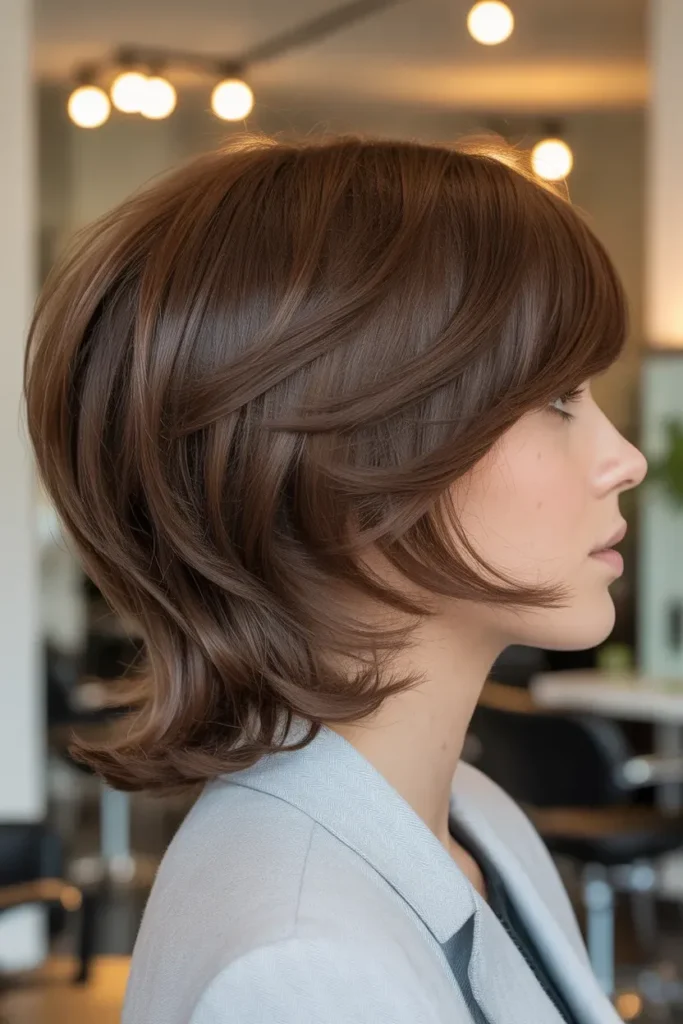
14. Light U Shape Cut
A soft U-shaped perimeter gives fine hair a fuller-looking hemline than a V or straight-across cut at longer lengths. The gentle curve keeps the sides from looking stringy while the center holds length. Ask your stylist to keep the U subtle — just enough curve to thicken the outline — and to avoid layers shorter than the chin. Wear it with a center part and soft bends through the mid-lengths for a polished look. Regular dusting of the ends every eight weeks preserves the curved shape.
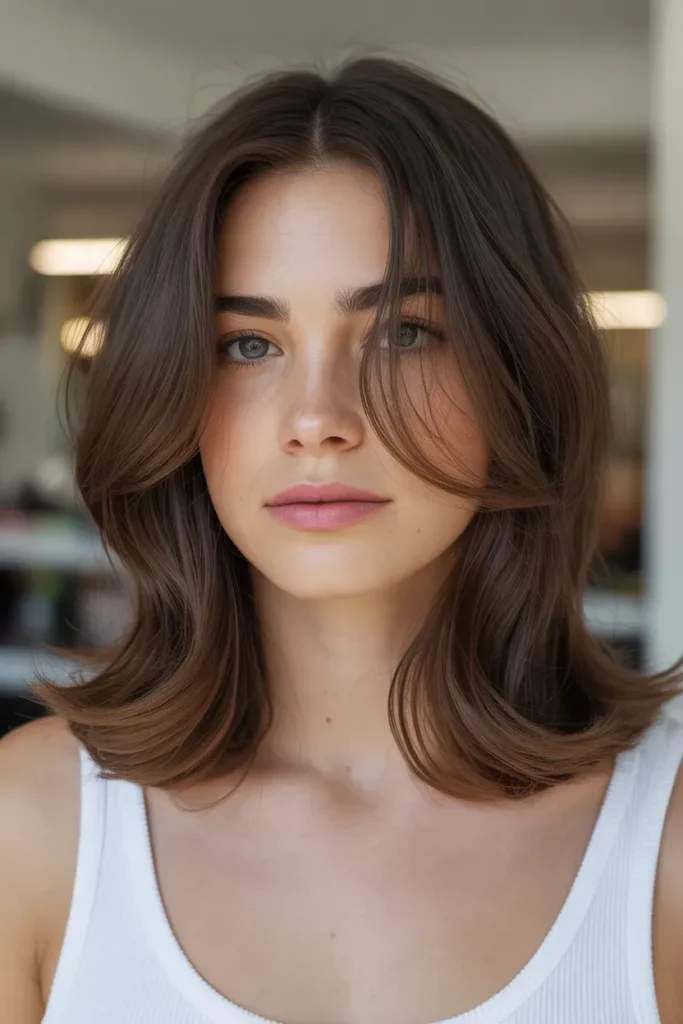
15. Tousled Lob Layers
Tousled layers through a lob give fine hair that effortless, beachy texture while staying full enough at the ends. The layering is concentrated through the mid-lengths, leaving the perimeter strong. Ask your stylist for interior layers that create movement without visible steps, and a slightly undone finish. Twist damp sections with a texturizing cream and let them air-dry, then break up the waves with your fingers. It is one of the most low-maintenance best cuts for fine hair because the messier it looks, the better it works.
Quick Win: Braid damp hair into two loose plaits overnight for heat-free tousled waves by morning.

16. Rounded Bob Shape
A rounded bob curves the silhouette inward so fine hair looks plush and full rather than flat. The curved perimeter wraps the jawline, concentrating volume where the eye lands. Ask your stylist for a curved cutting line with subtle internal layering to encourage the inward bend, and keep the length between chin and jaw. Blow-dry with a medium round brush, rolling everything under, and finish with a light shine mist. This shape works beautifully on straight fine hair that tends to hang limp.
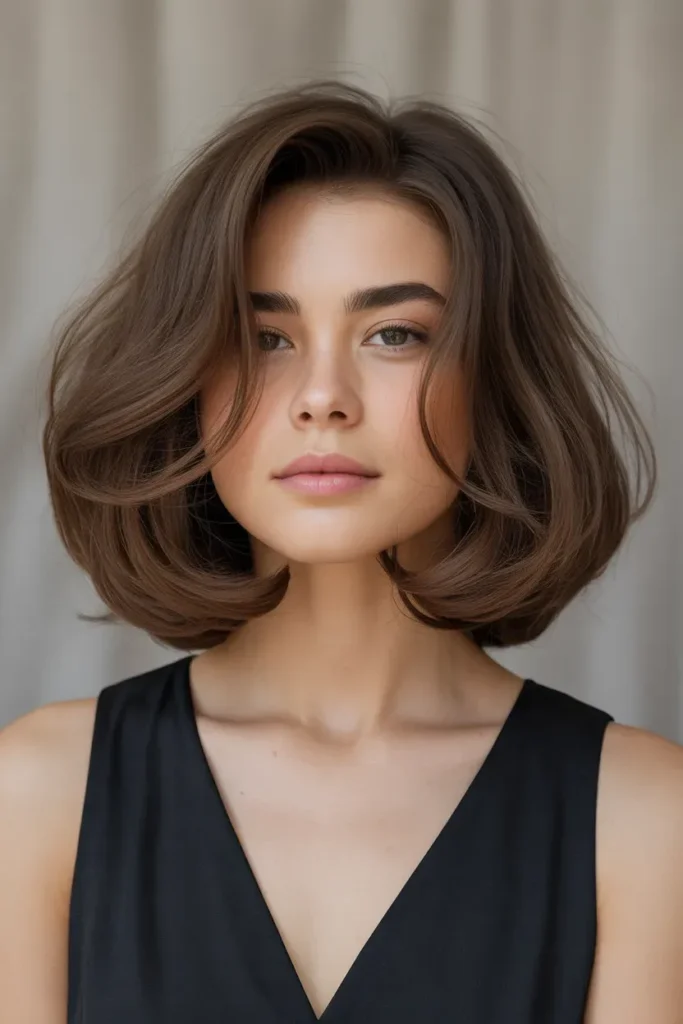
17. Straight One Length Cut
Cutting fine hair to one clean length with no layers at all is the simplest way to maximize how thick it looks. Every strand feeds the hemline, so ends appear dense and healthy. Ask your stylist for a sharp, even perimeter and a length between the shoulders and chest — too long and gravity wins. Keep it sleek with a flat iron and a heat protectant, or add soft waves with a large-barrel iron for evenings. Because the look depends on healthy ends, trim every eight weeks without fail.
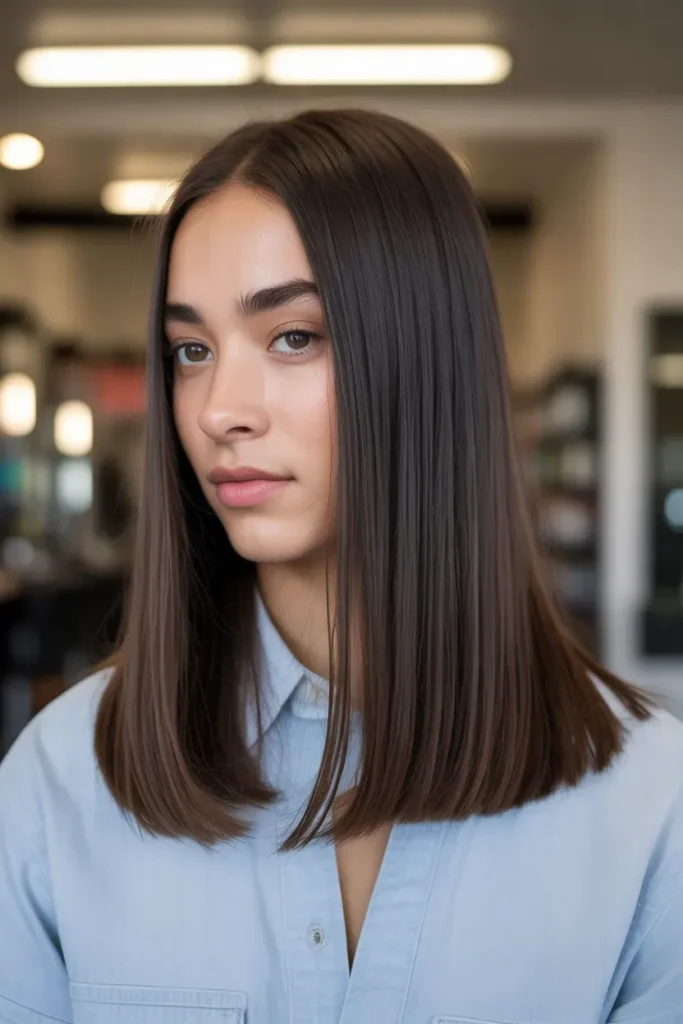
18. Soft Face Layers
Soft layers that start around the face and melt into the lengths give fine hair shape and softness without thinning the overall look. They brighten the face and add gentle movement while the back stays full. Ask your stylist for face-framing pieces that begin at the cheekbones and connect seamlessly to the lengths, with no harsh steps. Style by blow-drying the front pieces away from the face with a round brush for a lifted, open effect. A flexible hairspray keeps the layers floating without stiffness.
Quick Win: Curl just the two front face-framing pieces — it refreshes the whole cut in under five minutes.
Final Thoughts
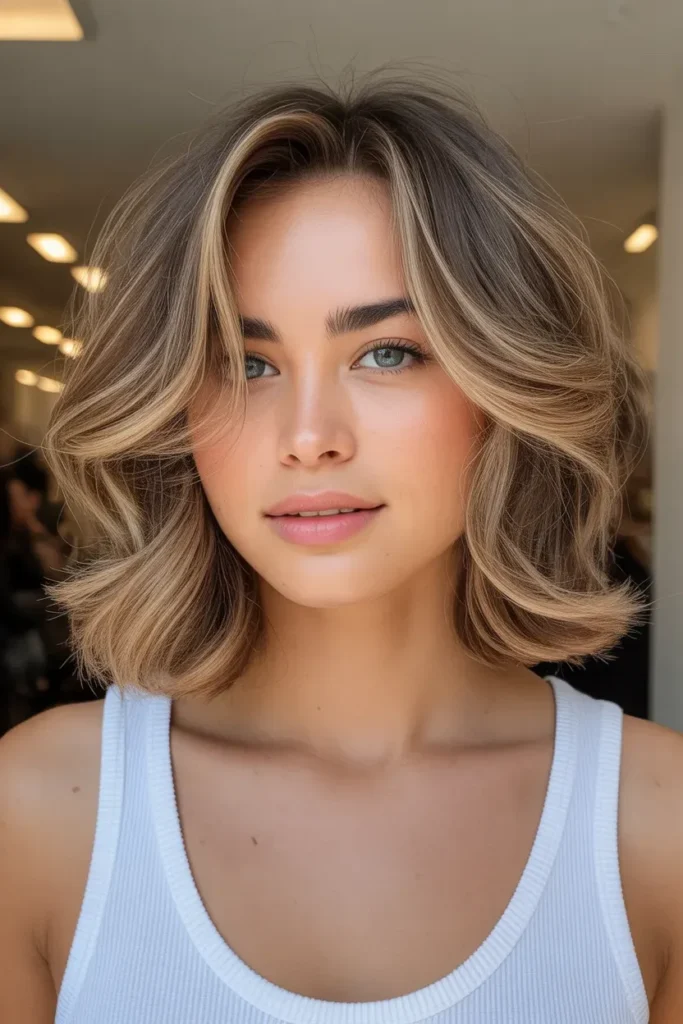
The best cuts for fine hair all share one principle: keep the ends strong and let the shape do the volumizing. Whether you choose a blunt micro bob, a stacked back, or soft face layers, the right cut makes fine hair look thicker from day one. Take this list to your stylist and be honest about your morning routine — the cut that fits your life is the one you’ll actually wear well. Fuller-looking hair is one appointment away.
Frequently Asked Questions
What is the best haircut for very fine, thin hair?
A blunt bob or lob is usually the safest choice because the even perimeter makes fine hair look denser instantly. Stacked and graduated bobs add built-in lift at the crown for hair that goes flat. Avoid heavy layering and thinning shears, which remove the very density fine hair needs.
Should fine hair be layered or one length?
Both can work, but the layering must be strategic. Long, soft layers add movement without hollowing the ends, while a one-length cut maximizes the appearance of thickness. What fine hair should avoid is short, choppy layers through the ends, which make strands look sparse and wispy.
How often should fine hair be trimmed?
Every six to eight weeks keeps blunt perimeters sharp and ends looking full. Fine hair shows split ends faster than thick hair, and frayed ends make the hemline look thin. Pixies and stacked bobs need shaping every four to six weeks to hold their structure.
Can fine hair hold curls or waves?
Yes, with the right prep. Apply a volumizing mousse to damp roots, use a heat protectant, and let curls cool completely before touching them — cooling sets the shape. Smaller sections and a light flexible-hold spray help waves last, and day-old hair often holds curl better than freshly washed hair.
What should I tell my stylist to avoid with fine hair?
Ask them to skip thinning shears and razors through the ends, avoid over-layering, and keep the perimeter strong. Mention that you want the cut to create fullness rather than remove bulk. Bringing reference photos of the exact cut you want prevents miscommunication about how much layering is too much.