23 Trendy Shag Haircuts 2026 Modern Styles That Turn Heads
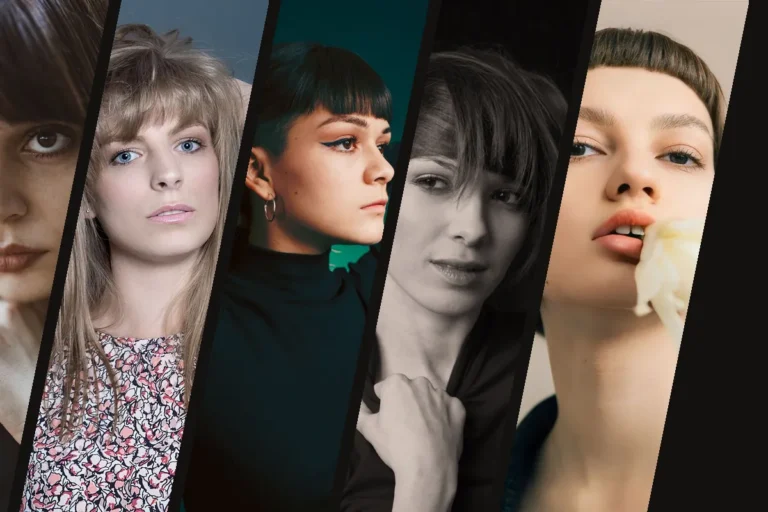
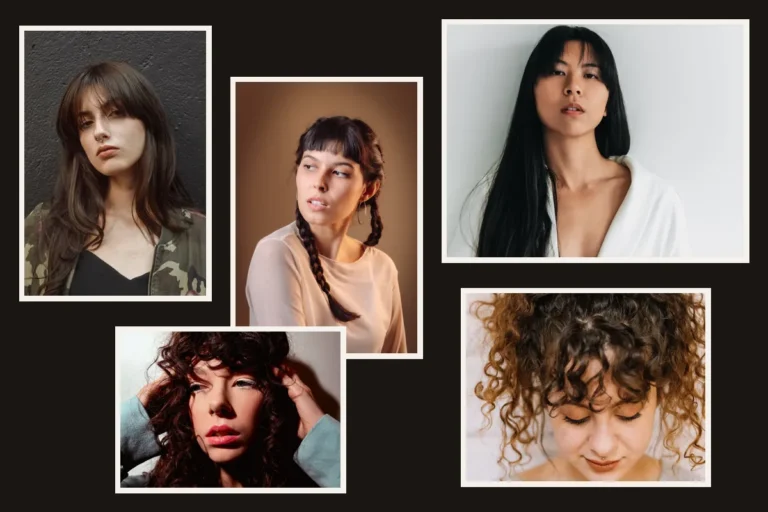
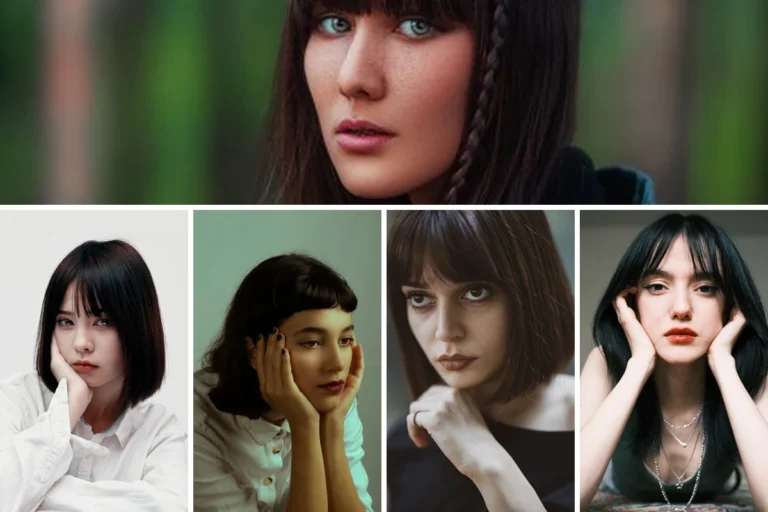
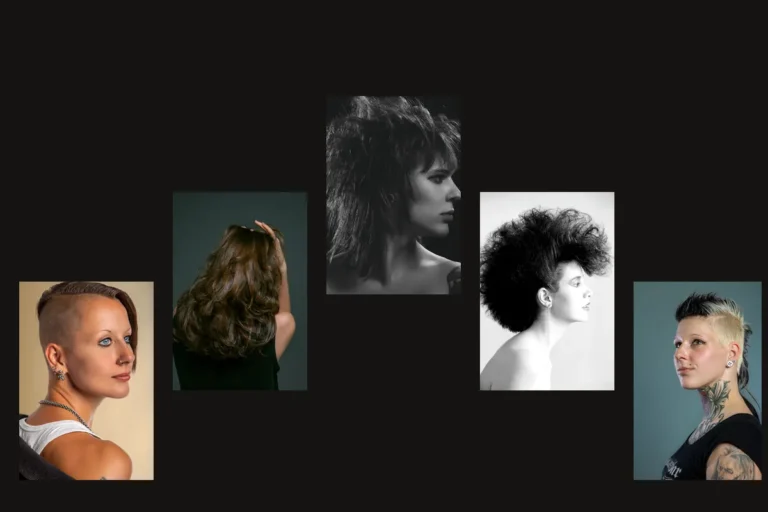
Finding a haircut that adds movement without demanding daily styling can feel like a losing battle. Most cuts either go flat by midday or need a full round-brush session to look alive. That is exactly where trendy shag haircuts earn their place. Built on layers of different lengths, they create volume, texture, and shape that survive real life, not just the salon chair. Whether you wear your hair short, medium, or long, the 2026 shag softens the classic rock-and-roll cut with face-framing pieces, curtain bangs, and feathered ends. Below are 23 modern takes to screenshot and show your stylist, from edgy chops to soft, wearable layers.
1. Classic Shag with Face-Framing Layers

The classic shag never really leaves, and this face-framing version shows why. Layers start at the cheekbones and cascade down, opening up the face while keeping the ends light and airy. Ask your stylist for razor-cut layers through the mid-lengths and softly blended pieces around the jawline. It suits most hair textures and needs little more than a scrunch of texture cream to look intentional. To keep it fresh, book a trim every eight to ten weeks so the shortest layers hold their shape.
Quick Win: Comb a pea-sized amount of texturizing paste through dry ends to separate the layers and add piecey definition. Work it through the mid-lengths too for soft, touchable movement that lasts all day.
2. Short Textured Shag

A short textured shag is the low-commitment way to wear the trend. Cut to sit just below the ears or at the jawline, it relies on choppy, point-cut layers to create fullness where fine hair often falls flat. Styling takes minutes: towel-dry, work in a lightweight mousse, and let it air-dry or blast it with a diffuser. The tousled finish looks deliberately undone rather than messy. It suits oval and heart-shaped faces especially well, and grows out gracefully without harsh lines.
3. Long Shag with Subtle Waves

If you are not ready to sacrifice length, this long shag keeps hair past the shoulders while injecting movement. Long internal layers remove weight from the mid-lengths, and soft waves show off the layering without frizz. Recreate it at home by wrapping two-inch sections around a wide-barrel iron, leaving the ends straight. A light sea-salt spray on damp hair also works. Tell your stylist you want layers that preserve density at the ends, since over-thinning can make long hair look stringy.
4. Layered Shag with Curtain Bangs

Curtain bangs and a shag are a natural pairing because both are built on soft, blended layering. The bangs part down the middle and melt into the face-framing layers, giving a 70s-inspired finish that flatters foreheads of all shapes. Ask for bangs that start around the cheekbones so they connect to the rest of the cut rather than sitting apart from it. Blow-dry with a round brush, sweeping each side outward. Maintenance is simple — a bang trim every four weeks keeps the parting crisp.
5. Edgy Shag with Choppy Ends

For anyone who wants attitude from their haircut, this edgy shag leans into razor-sharp, choppy ends. The layers are cut aggressively and unevenly on purpose, creating a rock-inspired silhouette that looks lived-in from day one. It works best on straight to slightly wavy hair where the texture shows. Use a matte clay on dry hair to emphasize the jagged finish, and skip heavy serums that would glue the pieces together. Tell your stylist you want disconnect and movement, not blended softness.
Quick Win: Flip your part to the deep side once a week to keep volume at the crown where edgy shags can flatten.
6. Messy Shag with Layered Bangs

This is the cool-girl version of the shag: deliberately messy, full of movement, and surprisingly easy to maintain. Layered bangs fall into the eyes and blend into choppy layers through the crown, creating that slept-in texture without trying. Air-drying is your best friend here — apply a texturizing spray to damp hair and scrunch. The cut suits thick hair particularly well, since the layering removes bulk that would otherwise weigh everything down. Refresh it with a trim every ten weeks.
7. Long Shag with Feathered Layers

Feathered layers give this long shag a soft, winged finish that feels retro in the best way. The layers are cut with a slicing technique so each section tapers to a fine point, flicking outward around the shoulders. Blow-drying with a round brush, rolling the ends outward, is what creates the feather effect at home. It flatters long faces by adding width through the sides. If your hair is very thick, ask for internal thinning so the feathers stay light instead of puffy.
Quick Win: Run a flat iron quickly over the mid-lengths before styling the ends to get that smooth, feathered flick. Finish with a shine spray for a polished retro glow.
8. Shag with Side-Swept Layers

Side-swept layers make the shag feel polished without losing its edge. The longest pieces are directed across the forehead and cheek, which softens angular features and adds asymmetry that reads modern. This cut photographs beautifully because the diagonal line draws the eye. Style it by blow-drying the front sections with a paddle brush in the direction of the sweep, then locking it in with a light-hold spray. It suits round faces especially well, since the diagonal line breaks up width.
9. Tousled Medium Shag

The medium shag hits the sweet spot between easy and interesting, falling between chin and shoulders. Tousled texture is the whole point: layers of varying lengths catch the light differently, so the cut looks fuller even without styling. A one-inch curling wand through random sections, brushed out with your fingers, gives that lived-in finish. It is a strong choice for anyone growing out a shorter cut, since the layers keep the awkward in-between stage looking deliberate. Works on all densities.
Quick Win: Spritz dry shampoo at the roots before bed so you wake up with built-in tousled texture. It also absorbs overnight oil, so second-day hair looks freshly tousled instead of flat.
10. Layered Shag with Soft Highlights

Color and cut do equal work in this version. Soft, hand-painted highlights trace the layers, making each tier of the shag visible and adding dimension that flat, single-process color can’t. Balayage or babylights placed on the ends and face-framing pieces brighten the whole look. Keep the highlights within two shades of your base so regrowth blends seamlessly. A purple or blue toning mask every other week preserves the brightness. Ask your colorist to paint with the cut’s movement in mind.
11. Chin-Length Shag with Curtain Bangs

Cut to graze the chin, this shag is all about proportion. The shorter length lifts the face and shows off the jawline, while curtain bangs keep it soft instead of severe. It is an excellent pick for fine hair, since chin-length hair always looks denser than long hair. Ask for layers that start high at the crown to build volume on top. Styling is quick: a round brush for the bangs, then air-dry or rough-dry the rest. The result reads French-girl effortless with an edge.
Quick Win: Tuck one side behind the ear to show off earrings and instantly change the look. It also keeps the curtain bangs from falling into your face while you work.
12. Edgy Layered Shag

This edgy layered shag turns the volume up with disconnected layers and plenty of texture through the ends. Unlike blended shags, this one celebrates visible steps between lengths, which gives fine hair an illusion of thickness. Razor cutting is key — it creates those wispy, piecey ends that scissors alone can’t. Style with a sea-salt spray and a diffuser for maximum grit. It suits straight and wavy textures best. Tell your stylist exactly how bold you want it, because this cut is meant to be noticed.
13. Long Shag with Face-Framing Layers

Long hair can hide behind its own length, but face-framing layers bring it back to life. This shag keeps the overall length while cutting shorter pieces from the cheekbones down, drawing attention to the eyes and cheekbones. It is the least dramatic shag on this list, which makes it perfect for first-timers. Blow-dry the front pieces forward and under for a soft curtain effect. The layers also make long hair easier to manage — fewer tangles, faster drying, and more movement with every step.
Quick Win: Ask for the shortest face-framing piece to start no higher than your cheekbones to keep styling forgiving. Shorter pieces can flip awkwardly as they grow out.
14. Medium Shag with Side-Swept Bangs

Side-swept bangs give this medium shag a polished asymmetry that works for both casual days and dressed-up evenings. The bangs blend into layers that curve toward one side, creating a continuous diagonal line from forehead to ends. It flatters high foreheads and balances strong jawlines. To style, blow-dry bangs with a round brush angled across the face, then set with a flexible spray so they move naturally. The cut looks great worn straight or with a loose wave through the lengths.
15. Tousled Long Shag with Layers

Tousled texture is what separates this long shag from plain long layers. The layers are cut to different lengths on purpose, so when you add waves, the hair falls in that undone, beachy pattern instead of uniform curls. Overnight braids are the easiest styling hack: sleep in two loose braids, shake out in the morning, and finish with texturizing spray. It suits thick hair beautifully, since the layering removes weight that would otherwise pull the style flat by afternoon.
Quick Win: Scrunch a coin-sized amount of mousse into damp hair and diffuse upside down for extra root lift. The upside-down angle builds crown volume that holds for days.
16. Layered Shag with Subtle Highlights

Subtle highlights are the quiet luxury of this shag. Instead of bold contrast, thin ribbons of color one shade lighter than the base are woven through the layers, catching light as the hair moves. The effect is sun-kissed rather than colored, and it grows out without a harsh line. This is ideal if you want dimension without committing to regular salon color. A gloss treatment every couple of months keeps the ribbons shiny. Pair it with a layered cut that starts at the cheekbones for maximum effect.
17. Short Shag with Textured Ends

This short shag proves that length is no barrier to movement. Ending around the jawline, it uses heavily textured ends to create flick and separation that makes the cut look airy instead of boxy. Point cutting through the perimeter removes the blunt weight that can make short cuts look heavy. It suits straight and wavy hair equally, and it’s one of the fastest shags to style — five minutes with a flat iron flicking ends outward does the job. A strong option for fine hair that needs fullness.
Quick Win: Flip the ends outward with a flat iron instead of curling under for a modern, edgy finish. Alternate directions on random sections for even more texture.
18. Long Shag with Side-Part Layers

A deep side part transforms the shag by piling volume on one side and creating dramatic sweep across the forehead. The layers follow the part, getting progressively longer as they move away from it, which gives the cut built-in movement. This version flatters oval and long faces by adding asymmetry. To style, create the part while hair is damp and blow-dry the heavy side with a round brush for lift. A flexible-hold spray keeps the sweep in place without stiffness.
19. Textured Shag with Curtain Bangs
Texture is the star of this curtain-bang shag. Every layer is point-cut and separated, so the hair has visible grit and separation from roots to ends. The curtain bangs frame the forehead and blend into the shortest layers, keeping the look cohesive. This cut thrives on minimal styling — texture spray on damp hair, scrunch, and go. It works especially well for wavy and curly hair types that already have natural texture. Ask your stylist to dry-cut the ends for the most precise texture.
Quick Win: Emphasize separation by warming a tiny amount of pomade between your palms and pinching the ends. Focus on the curtain bangs and crown layers where definition shows most.
20. Medium Shag with Soft Waves

Soft waves make this medium shag feel romantic rather than rebellious. The layers are slightly longer and more blended than a classic shag, which means the waves fall in a smooth, flowing pattern. A large-barrel curling iron creates the signature loose wave — wrap sections away from the face and let them cool before touching. This version suits anyone who likes the shag’s shape but wants a softer, more polished finish. It also photographs beautifully, with the waves catching light at every angle.
21. Lived-In Long Shag with Shattered Ends

Shattered ends give this long shag a raw, undone edge that feels modern and effortless. The ends are cut with deliberate irregularity so no two pieces match, creating movement that looks natural rather than styled. It is perfect for second- and third-day hair, since the lived-in texture only improves as it goes. A light oil on the ends prevents the shattered tips from looking dry. Tell your stylist you want the longest length preserved with maximum texture through the bottom third.
Quick Win: Refresh day-two hair by re-twisting a few random sections with a flat iron instead of restyling everything. It takes five minutes and makes yesterday’s style look brand new.
22. Layered Shag with Face-Framing Bangs

Face-framing bangs take the shag in a softer direction. Instead of blunt fringe, these bangs are cut long and blended into the layers, grazing the cheekbones and melting into the sides. The effect opens up the face while still giving you the fringe look. It suits round faces well, since the vertical lines of the bangs elongate. Style by blow-drying the bangs forward with a round brush, then flicking the ends toward the temples. A trim every six weeks keeps the blend seamless.
23. Modern Shag with Choppy Layers

The modern shag updates the 70s original with cleaner lines and more intentional texture. Choppy layers are cut throughout, but the overall shape stays controlled — think piecey and deliberate rather than wild. It works on virtually every hair type and face shape, which is why it keeps trending. Styling is flexible: wear it sleek with a flat iron for a polished day look, or scrunch in texture spray for evening edge. Ask for layers that start at the cheekbones to guarantee the modern, face-framing effect.
Quick Win: Switch between a center part and a side part to make this one cut feel like two different hairstyles. A zigzag part also adds instant root volume on flat days.
Final Thoughts on Trendy Shag Haircuts
The right shag is the one that matches your texture, your routine, and how much edge you actually want. Save the versions that speak to you, then bring reference photos to your appointment so you and your stylist are picturing the same layers. Ask about maintenance up front — some shags thrive on benign neglect while others need regular bang trims to stay sharp. With the right cut, great hair stops being a project and starts being effortless.
Frequently Asked Questions
How do I ask my stylist for a trendy shag haircut?
Bring two or three reference photos and point to what you love: the layer length, the bang style, and the overall texture. Say the words layered shag and describe whether you want it soft and blended or choppy and edgy. A good stylist will adjust the layer placement to your hair density and face shape before cutting.
Are shag haircuts good for thin or fine hair?
Yes, when cut correctly. Short to medium shags with choppy, point-cut layers create the illusion of fullness in fine hair. The key is avoiding over-thinning, which can make ends look sparse. Ask your stylist for layers that build volume at the crown while keeping the perimeter from going stringy.
How often does a shag haircut need trimming?
Most shags hold their shape for eight to ten weeks, which is refreshingly low-maintenance. If your version includes curtain bangs or fringe, plan a quick bang trim every four to six weeks so the face-framing pieces stay crisp. Otherwise the grow-out stays attractive thanks to the cut’s layered nature.
Can I get a shag if my hair is curly?
Absolutely — curly shags are stunning because the layers let each curl sit at its natural level instead of stacking into a triangle. Ask for a dry cut from a stylist experienced with curls, since wet cutting can misjudge how much the layers will spring up. Use curl cream on damp hair and diffuse or air-dry.
What is the difference between a shag and a wolf cut?
A shag has more even, blended layering throughout with softness around the face, while a wolf cut pairs a heavily layered, mullet-like top with longer length underneath for a wilder silhouette. The shag reads polished-edgy; the wolf cut reads deliberately untamed. Both suit similar textures.