12 Auburn Hair Color Ideas You’ll Love for Modern Looks
Choosing an auburn shade sounds simple until you sit in the salon chair and the options blur together: deep, copper, cinnamon, mahogany, golden, balayage. The real question is which one flatters your skin, your routine, and how much upkeep you are willing to do. Red-based color fades faster than any other family, and the wrong depth can wash you out instead of warming you up. This guide breaks down twelve wearable auburn hair color looks for 2026, each with exactly what to ask your stylist and how to keep the tone rich between appointments. Start with the shade closest to your natural depth and build from there.
1. Classic Deep Auburn Hair Color
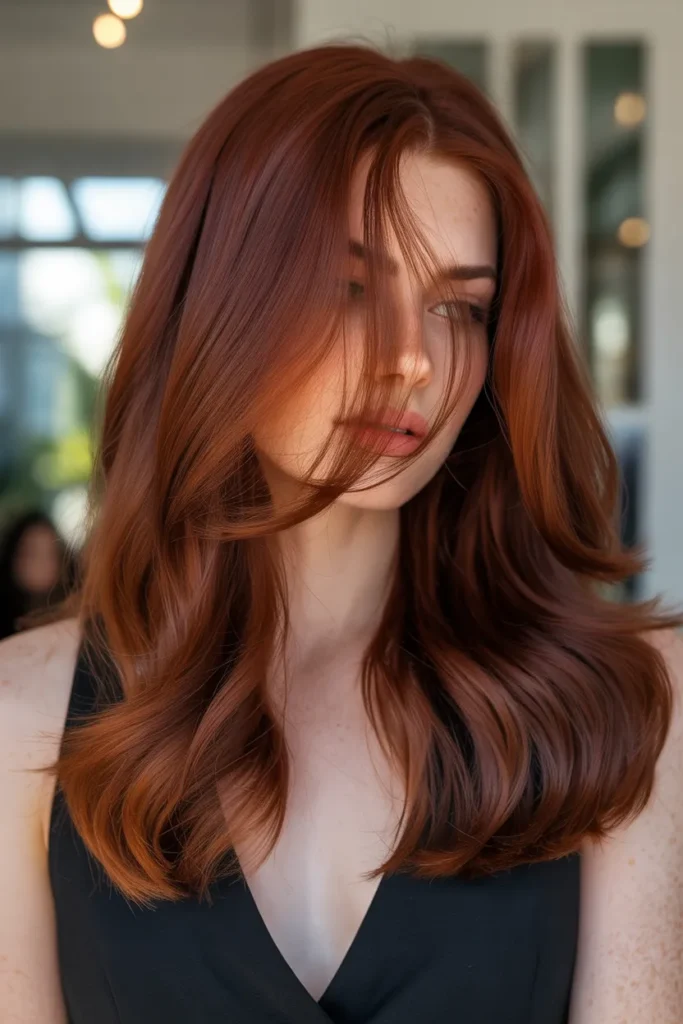
This is the foundational auburn: a rich red-brown that sits one to two levels deeper than classic copper, giving a polished result that reads expensive in every light. Ask your stylist for an all-over level 4–5 auburn, then seal it with a gloss so the color stays saturated. It suits long layers and blunt cuts equally because the depth itself creates movement. Upkeep means sulfate-free shampoo, cold rinses, and a gloss refresh every six to eight weeks to stop the red from dulling to flat brown.
2. Soft Copper Auburn Hair
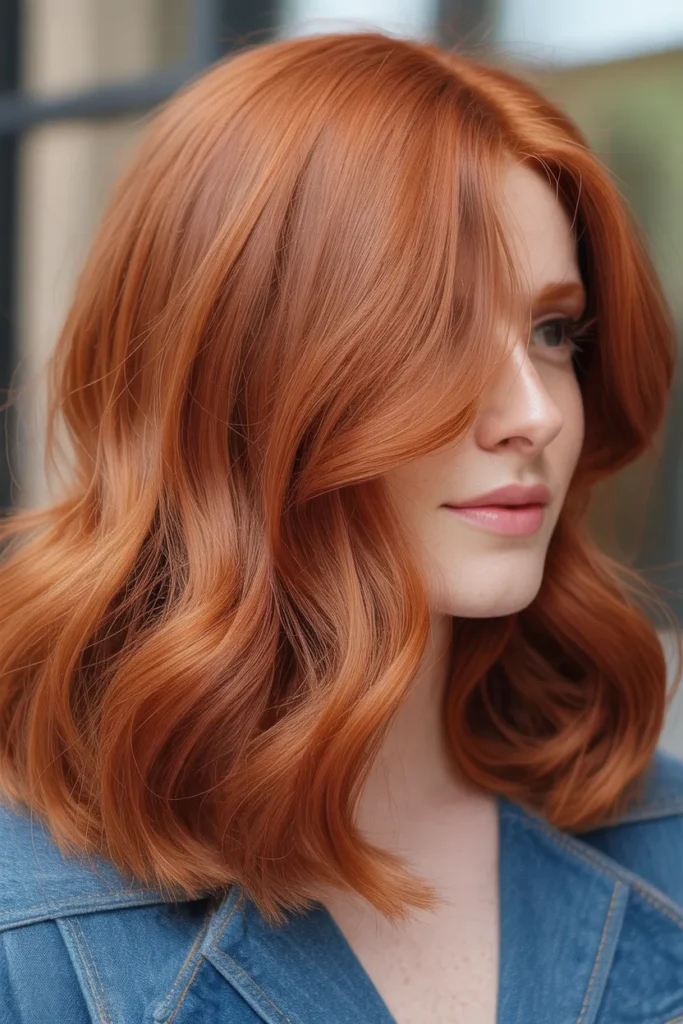
Copper keeps auburn from looking heavy: think warm penny tones melted into a red-brown base so the color glows instead of sitting flat. Ask for a level 6 copper-auburn with fine, blended babylights two tones lighter through the mid-lengths for lift around the face. This is one of the lowest-maintenance ways to wear warmth because the lighter pieces camouflage regrowth. Refresh the copper with a tinted gloss at week five, and use a heat protectant every time you style, since hot tools bleach copper fastest.
3. Dark Chocolate Auburn Blend
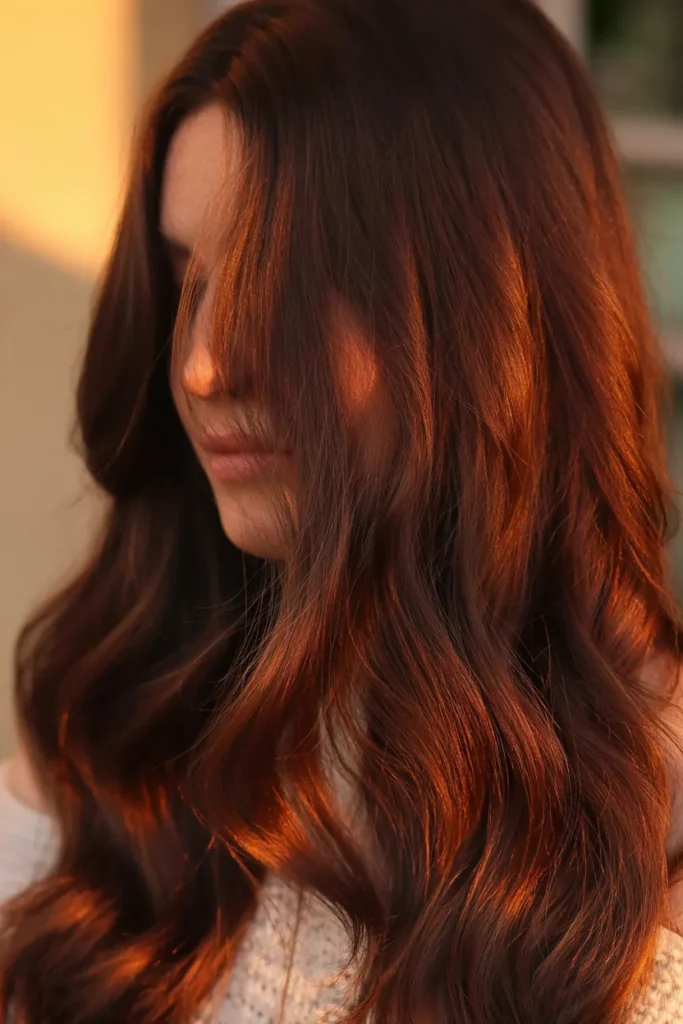
If full red feels too bold, this chocolate-based blend gives you auburn warmth at low volume: a level 3–4 chocolate base with auburn ribbons painted only through the mid-lengths and ends. Tell your stylist you want dimension that reveals itself in movement, not a visible two-tone. Because the roots stay dark, regrowth is nearly invisible and appointments stretch to ten or twelve weeks. A weekly color-depositing conditioner in auburn keeps the ribbons from turning brassy, and air-dried waves show the blend best.
4. Auburn Balayage Waves
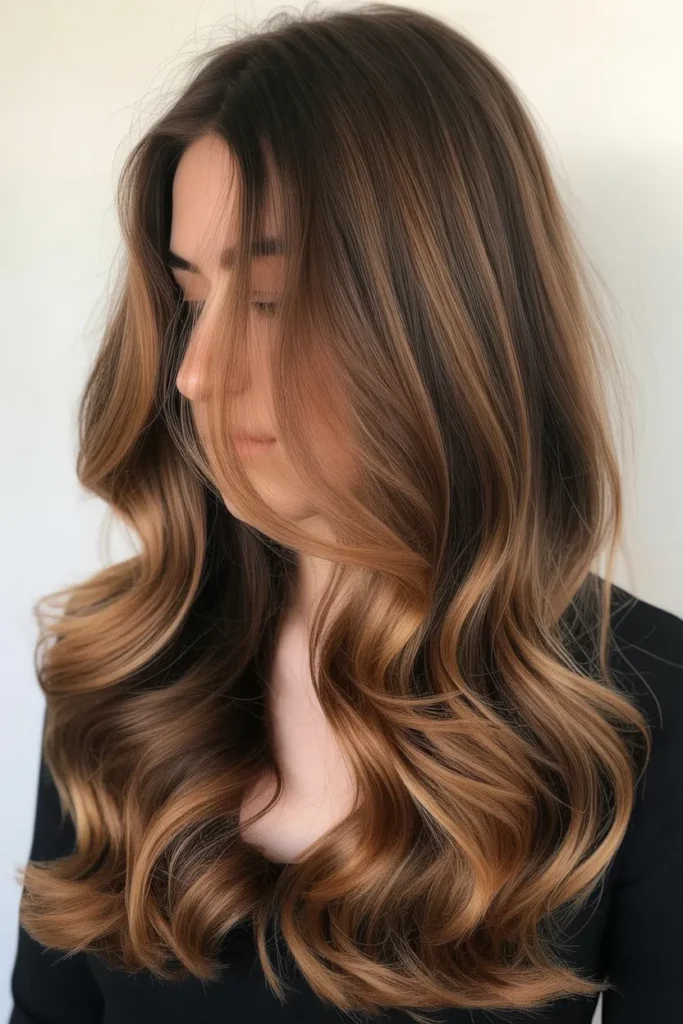
Balayage is the easiest way to wear auburn with dimension: hand-painted ribbons of cinnamon and copper lightened two to three levels over a natural base, concentrating brightness at the ends. Ask your stylist to keep at least three centimeters of root untouched so the grow-out stays soft. Style with a large-barrel curling iron and finger-comb the curls — defined waves separate the tones and show the gradient. Tone every eight weeks and deep-condition weekly, because lightened red hair loses moisture faster than virgin color.
5. Light Auburn with Golden Tones
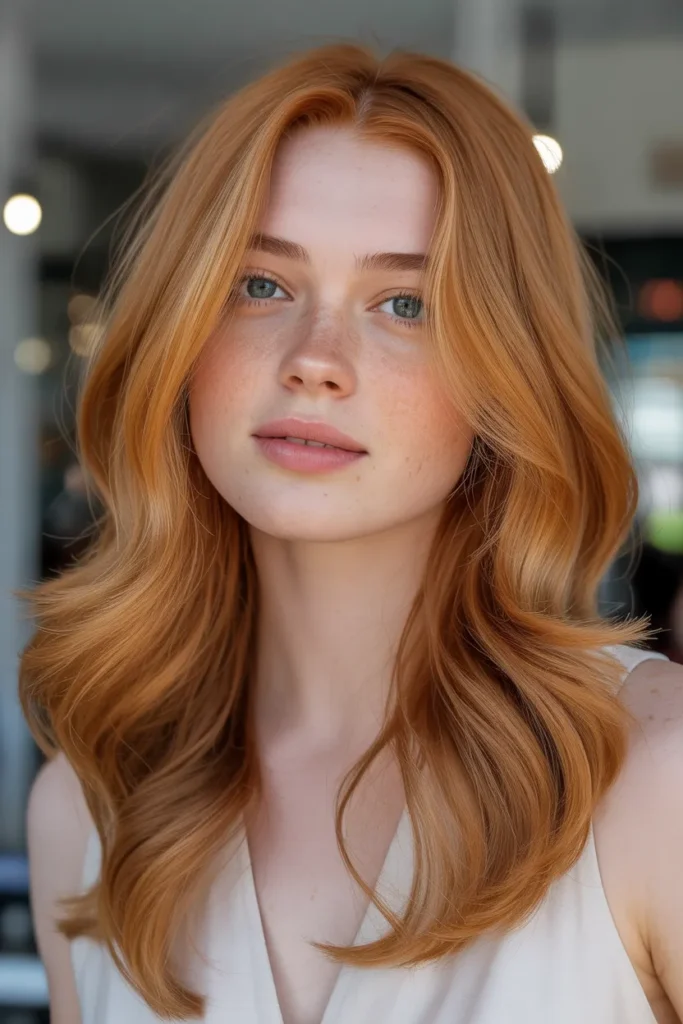
Light auburn with golden undertones is the warmest, sunniest entry point: a level 7–8 base where gold softens the red so it reads honeyed rather than fiery. Ask for a demi-permanent golden auburn all-over with a few face-framing highlights half a level lighter to stop the shade from going flat at the part. This tone is friendly to warm and neutral skin and grows out gracefully. Wash in lukewarm water, and book a toner refresh at six weeks, because gold lifts fade toward peach if left untoned.
Quick Win: Ask your stylist to gloss with a neutral-gold toner rather than ash — ash mutes golden auburn and can pull it greenish as it fades.
Quick Win: Ask for a demi-permanent formula rather than permanent color — it fades gracefully over eight weeks and lets you adjust the tone without a harsh regrowth line.
6. Rich Mahogany Auburn Hair
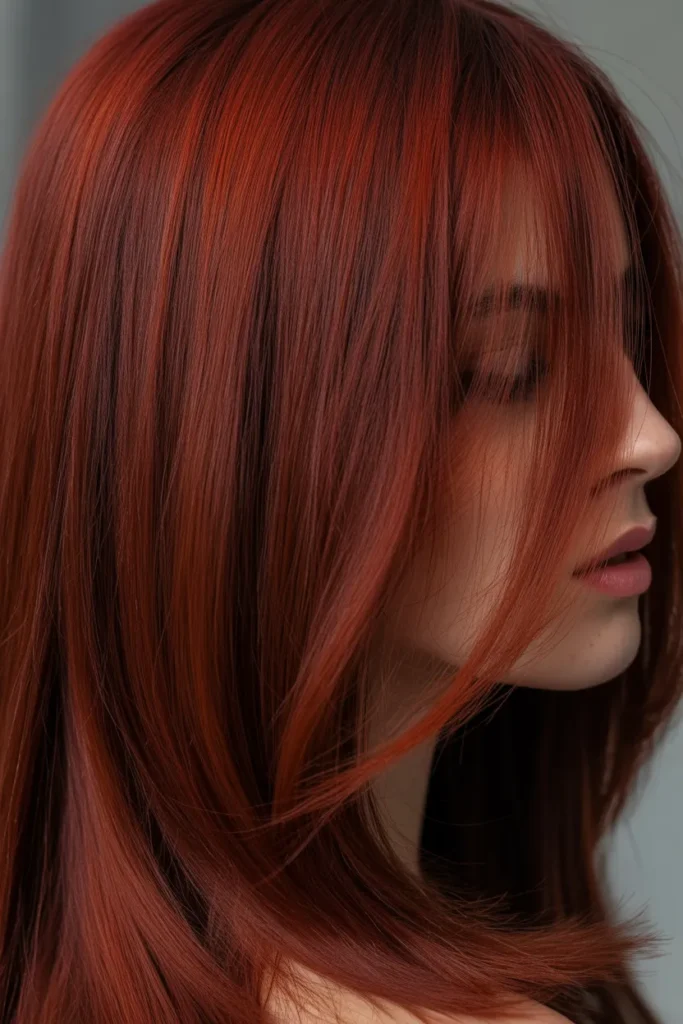
Mahogany pushes auburn into cooler red-violet territory: a deep level 4–5 with a wine-tinged reflect that looks almost chocolate indoors and glows red in sunlight. Ask your stylist for a mahogany brown base with a violet-red gloss on top, and keep the color one solid shade rather than multi-tonal for maximum richness. This shade flatters medium and deep skin tones especially well. Because violet reds fade fastest, use a color-safe shampoo and a red color-depositing mask every second wash to hold the tone between appointments.
7. Auburn Hair with Soft Face-Framing Highlights
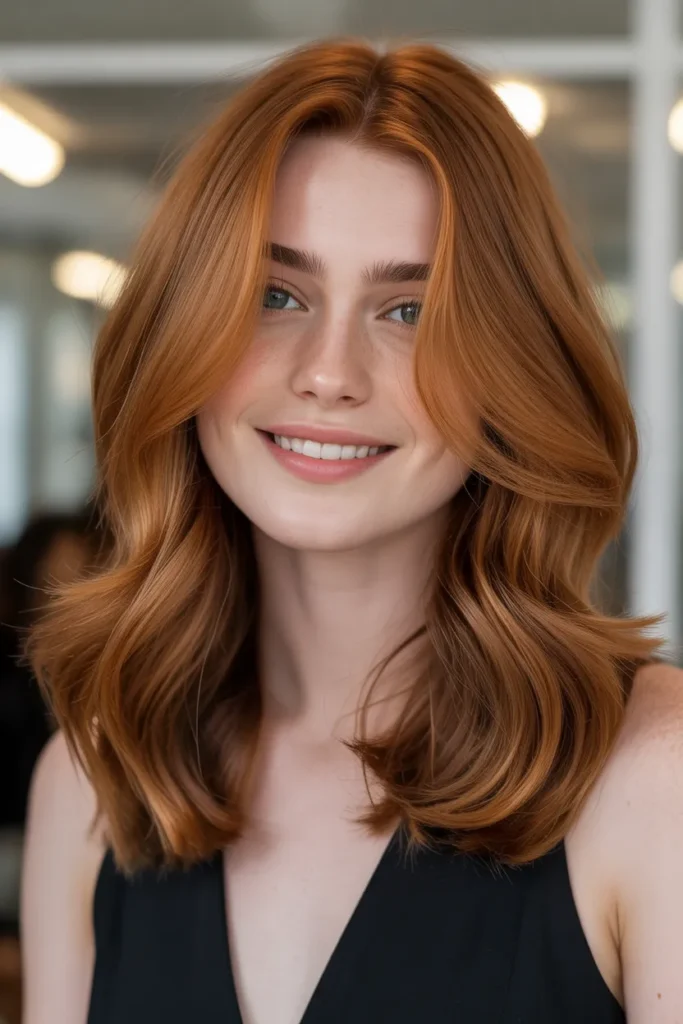
Face-framing highlights give you auburn brightness exactly where it counts: two to three thin panels of copper-auburn, one level lighter than your base, starting at the cheekbones and melting downward. Ask your stylist to keep the panels soft and blended, never striped, so the effect is candlelit rather than blocky. This placement makes the color look freshly done even at week ten. Style with a middle part to balance the panels, and refresh just the front pieces between full appointments to save time and money.
Quick Win: Bring two reference photos in natural daylight to your appointment: one for the exact copper tone you want, one for the brightness level around your face.
8. Auburn Ombre Hair Color
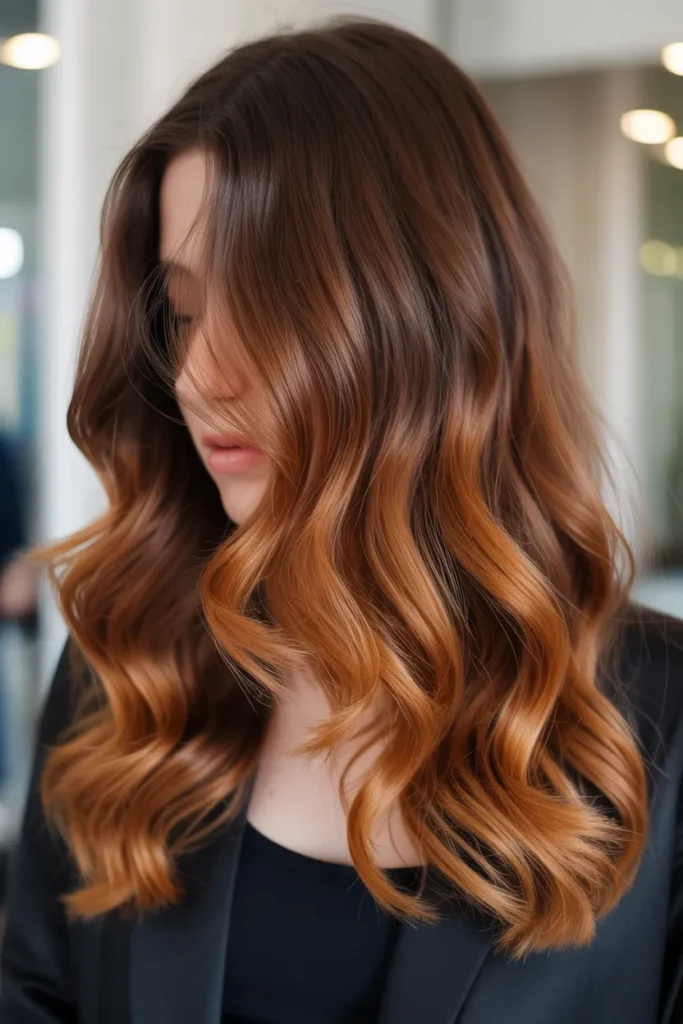
Ombre makes auburn commitment-free at the roots: your natural or dark-brown base stays untouched while the bottom third melts into vivid copper-red. Ask for a transition point that starts below the chin so the fade looks intentional, not grown out. This is the lowest-maintenance auburn on this list because regrowth is the design, not a flaw. The trade-off is the lightened ends need weekly deep conditioning and a copper gloss every six weeks, or the tips go pale and dry. Loose waves show the gradient at its best.
9. Cinnamon Auburn Hair Color
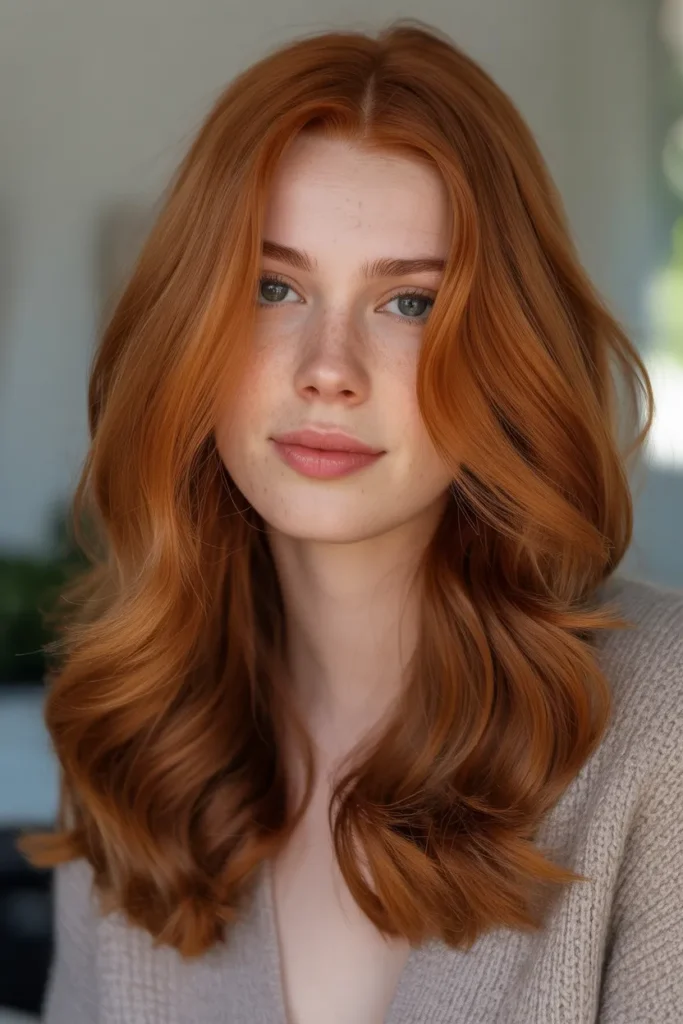
Cinnamon auburn is auburn with spice: a mid-level red-brown where warm cinnamon reflects dominate, giving a lively, almost metallic glow in sunlight. Ask for a level 6–7 cinnamon base with a clear gloss topcoat, which boosts the reflective quality that makes this shade special. It suits straight and lightly waved textures best, since sleek hair acts like a mirror for the tone. Wash no more than three times a week and finish with a shine serum — cinnamon loses its sparkle fast under hard water and heat.
Quick Win: Stretch washes to every third day and refresh with dry shampoo — every wash strips a little cinnamon tone, and this shade fades faster than deeper auburns.
10. Auburn Hair with Subtle Copper Highlights
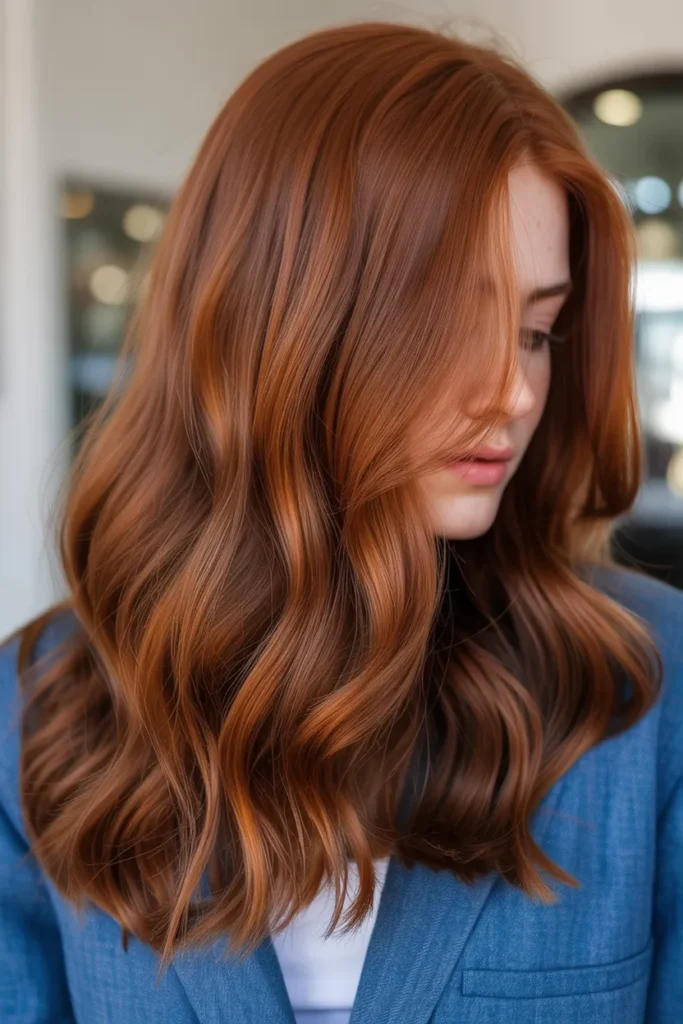
Subtle copper highlights are the office-friendly way to wear auburn warmth: fine, sparse highlights just one level lighter than a deep auburn base, concentrated through the crown and part line where light naturally hits. Ask your stylist for micro-highlights rather than balayage so the result stays refined and grows out without a harsh line. This placement needs nothing special beyond standard color care — sulfate-free shampoo, cool water, and a gloss at eight weeks — which makes it ideal if you want color that does not own your calendar.
11. Auburn Hair with Warm Chestnut Blend
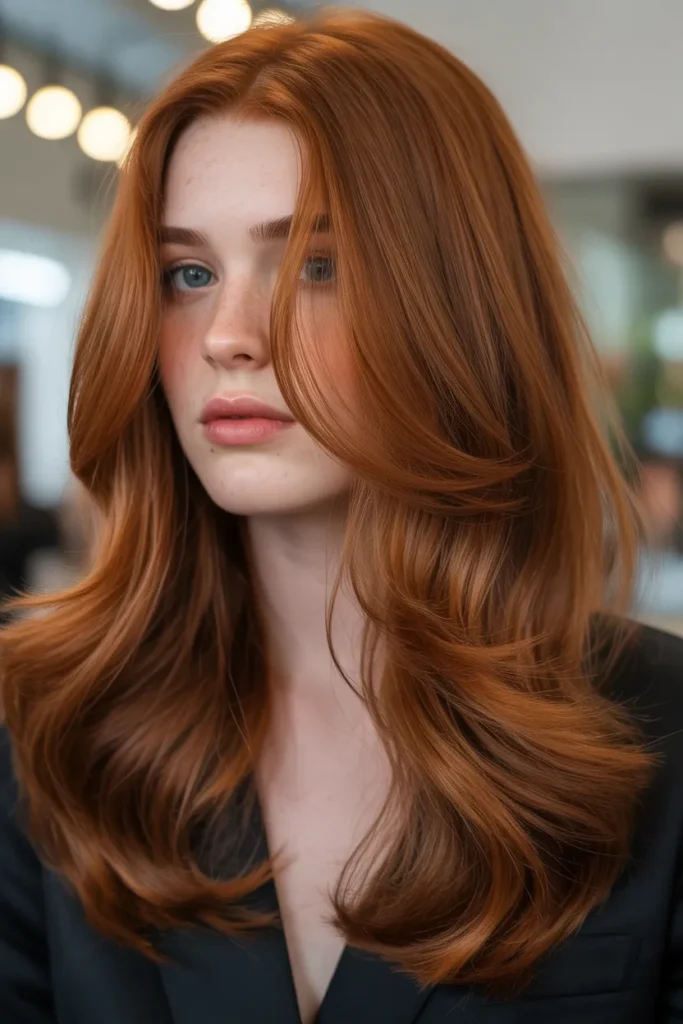
Warm chestnut grounds auburn in natural territory: a level 5 chestnut base with auburn lowlights woven through, so the red reads as warmth inside brown rather than red hair itself. Ask your stylist for a demi-permanent auburn lowlight two levels deeper than your base, applied in a woven pattern for softness. This is the most forgiving auburn if your natural color is already brown — regrowth blends for weeks. A monthly chestnut gloss keeps the lowlights rich, and the shade looks equally good air-dried or blown out.
Quick Win: Apply the auburn color-depositing conditioner to damp, towel-dried hair and leave it five minutes; the warmth deposits evenly instead of grabbing at dry spots.
12. Bright Auburn Shine Hair
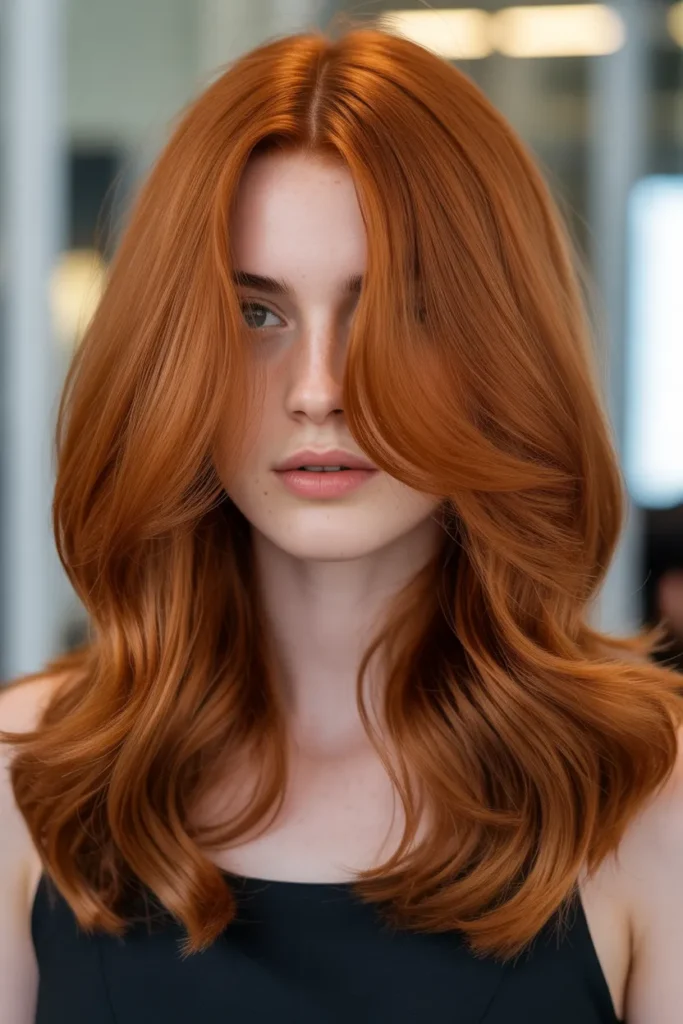
Bright auburn is auburn turned up: a vivid level 6–7 copper-red with maximum reflect, sealed with a high-shine clear gloss so it looks lacquered. Ask your stylist for the brightest copper-red your skin tone can carry, kept as an all-over shade rather than dimensioned, because uniformity is what makes it striking. This is the highest-maintenance look here: wash cold, shampoo sparingly, protect from UV, and expect a salon refresh every four to five weeks. The payoff is hair color that reads deliberate and polished from across the room.
Final Thoughts on Auburn Hair Color
Auburn rewards the small decisions: choosing depth before tone, placing brightness where light actually hits, and protecting red molecules from heat and UV between visits. Pick the idea closest to your natural level, bring its details to your stylist, and commit to the upkeep rhythm that shade needs. Done well, auburn hair color is the warmest, most forgiving red family you can wear — and in 2026, the glossiest versions are the ones getting noticed.
Frequently Asked Questions
How long does auburn hair color last before fading?
Auburn starts fading noticeably after three to four weeks because red molecules are the largest and slip out of the hair shaft fastest. A salon gloss refresh every six to eight weeks, plus sulfate-free shampoo and cold-water rinses at home, keeps the tone rich for two to three months before a full recolor is needed.
Does auburn hair color suit warm or cool skin tones?
Both, if you choose the right depth: golden and cinnamon auburns flatter warm skin, while mahogany and deep chocolate auburns suit cool and neutral skin. When in doubt, match the auburn depth to within two levels of your natural hair color — closer matches always look more harmonious.
What should I ask my stylist for a natural-looking auburn?
Ask for a demi-permanent color one to two levels from your natural shade with warm, not orange, reflects, and dimension through balayage or lowlights rather than a flat all-over tone. Bring a photo in natural light, and ask how the color will grow out so you know the upkeep rhythm before you commit.
How do I stop auburn color from turning brassy?
Brassiness happens when the red fades and leaves warm gold behind, so prevention is about sealing the color: use sulfate-free, color-safe shampoo, wash in cool water, and apply a red or auburn color-depositing conditioner weekly. Avoid hot tools without protectant, since heat strips red tones faster than anything else.
Can I go auburn over dark brown hair without bleach?
Yes, if you stay within two levels of your natural depth — dark chocolate and warm chestnut auburn blends deposit over brown without lifting. Brighter shades like vivid copper or bright auburn need pre-lightening first, so ask your stylist for a strand test to see what your hair can reach safely.