16 Long Layers Hairstyles That Feel Effortless for 2026
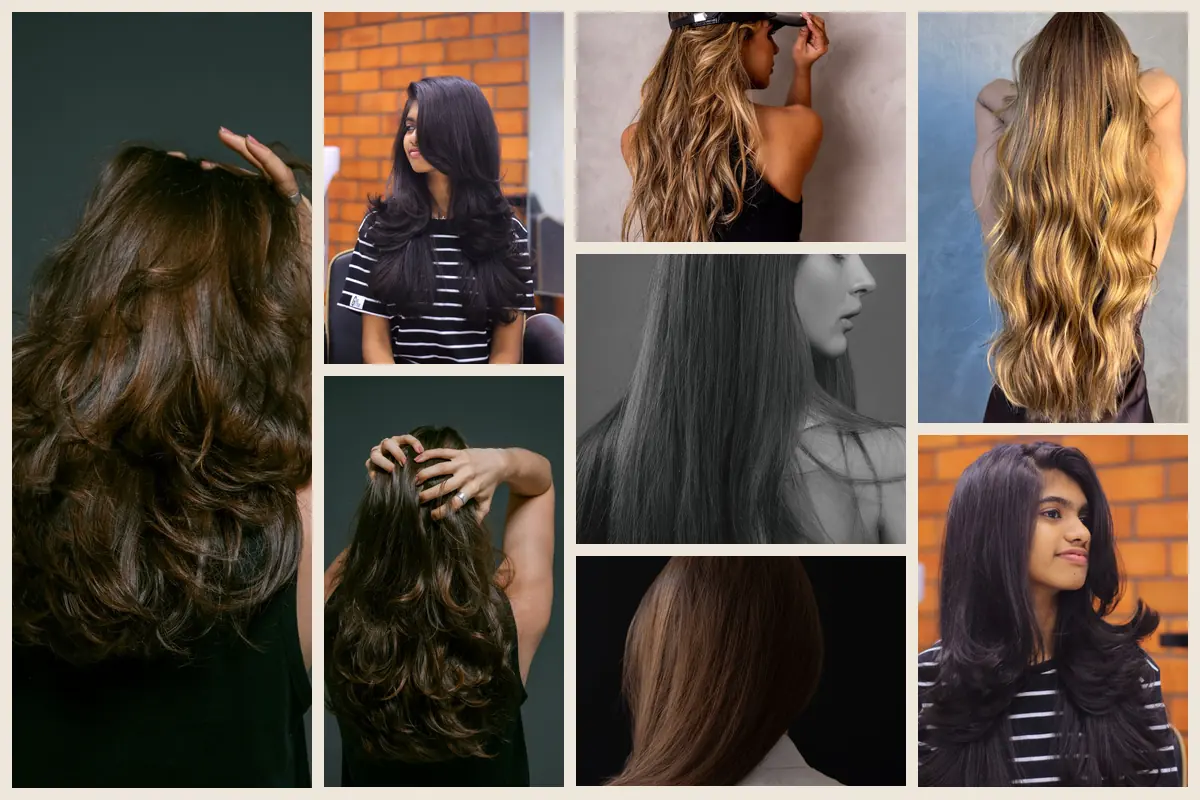
Long hair without layers can look heavy and shapeless — but the right layers make it move, shine, and style itself. The trick is knowing which layering technique suits your hair type and how much maintenance you are signing up for. These 16 long layers hairstyles cover every variation worth knowing in 2026, from feathered flow to invisible softness — there is a layering technique for every texture and lifestyle. Each one comes with the exact salon wording, styling method, and upkeep rhythm. Find your match, screenshot the description, and bring it to your next appointment.
1. Feathered Flow Layers
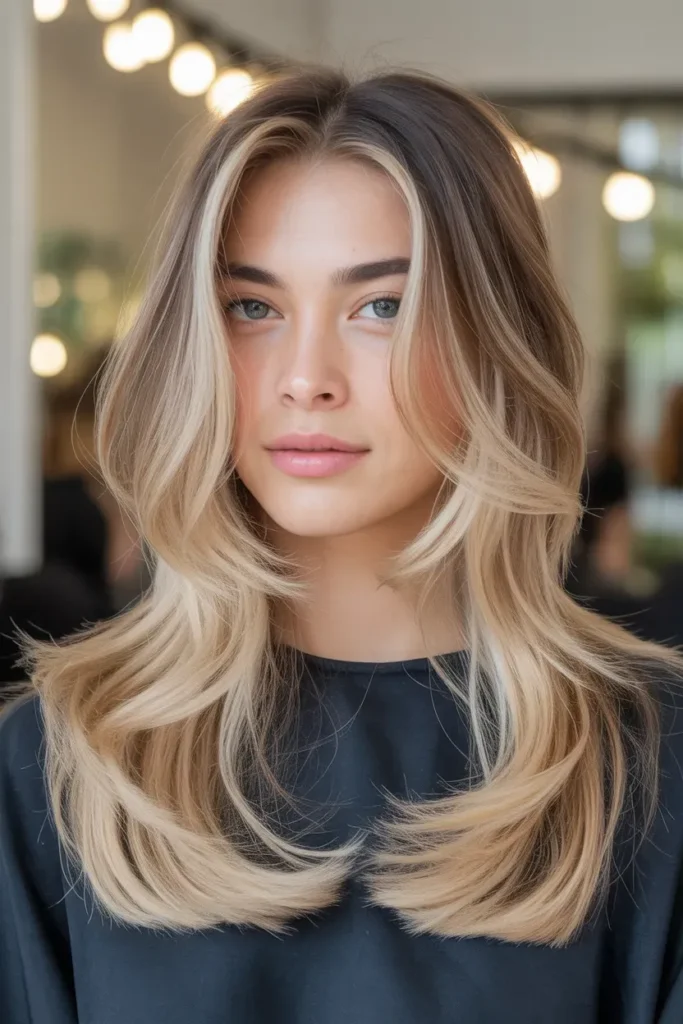
Feathered layers are cut at an angle so the ends flick outward softly, creating movement without visible steps. Ask your stylist for long layers with feathered, textured ends, keeping the overall length while removing weight. The feathering is done with point cutting or a razor on dry hair for precision. Style with a round brush, flipping sections outward as you dry. This technique suits thick hair best, since it removes bulk while keeping the length looking full.
Quick Win: Ask for the feathering to start at chin level, not higher. Starting too high thins out the top and the cut loses its fullness.
2. Soft Wave Layers
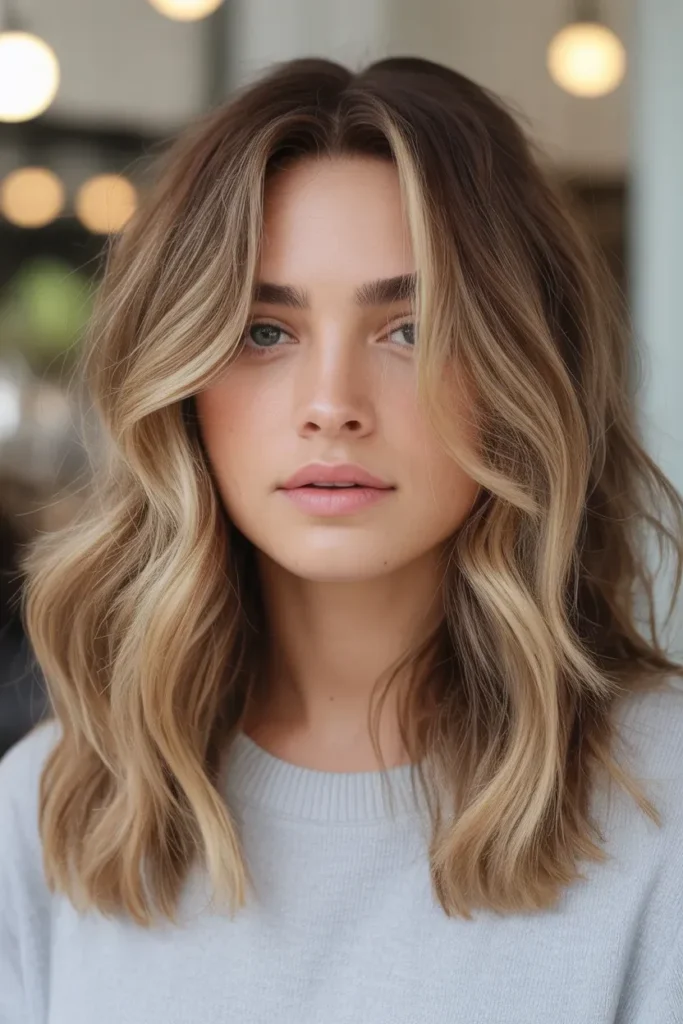
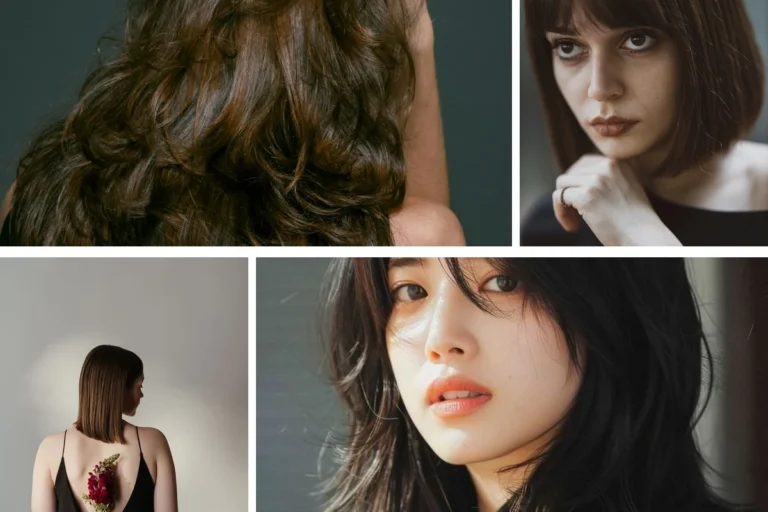
Soft wave layers are the everyday classic: long, blended layers styled into loose, touchable waves. Ask for layers that start below the chin and graduate gently, with no harsh lines. Style with a one-and-a-quarter-inch wand, curling away from the face and brushing out for softness. The waves separate the layers naturally so the dimension shows even without color. It is the lowest-effort layered look here — air-drying with salt spray gives a perfectly acceptable second-day version.
3. Face Frame Layers
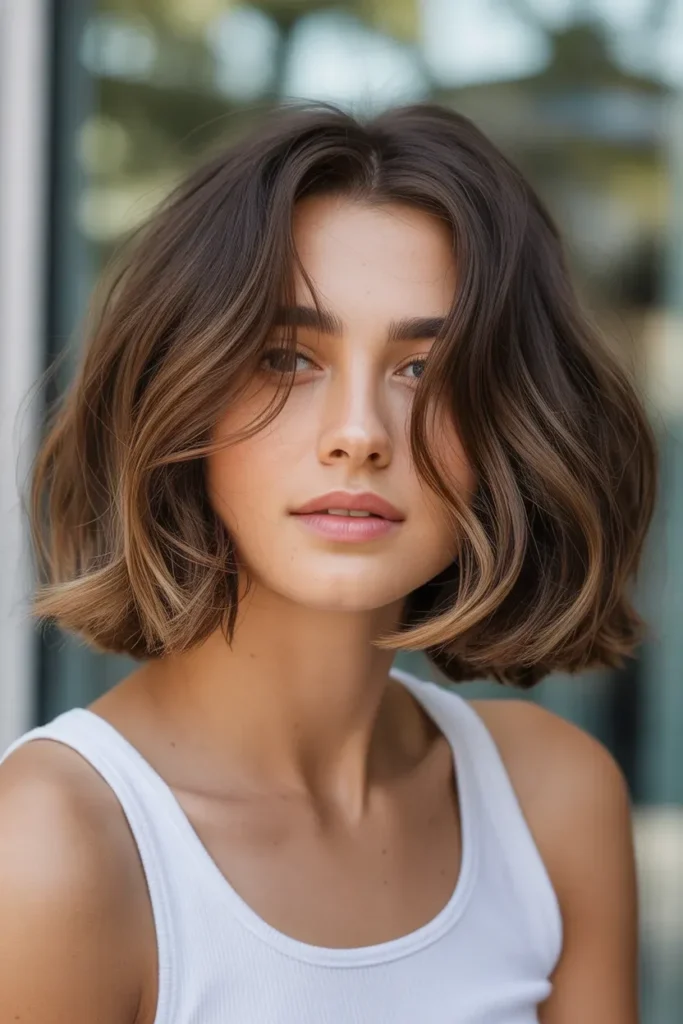
Face-framing layers are the shortest layers in the cut, designed to open up your features. Ask for pieces starting at the cheekbones or chin, blended into the longer layers behind. They work on every hair type and instantly make long hair look styled even when the rest is in a ponytail. Blow-dry them with a round brush, rolling away from the face for that swooping effect. They need trimming every six to eight weeks to stay at the right length.
Quick Win: On wash day, blow-dry just the face-framing pieces and put the rest up. Two minutes of styling makes the whole head look done.
4. Blowout Bounce Layers
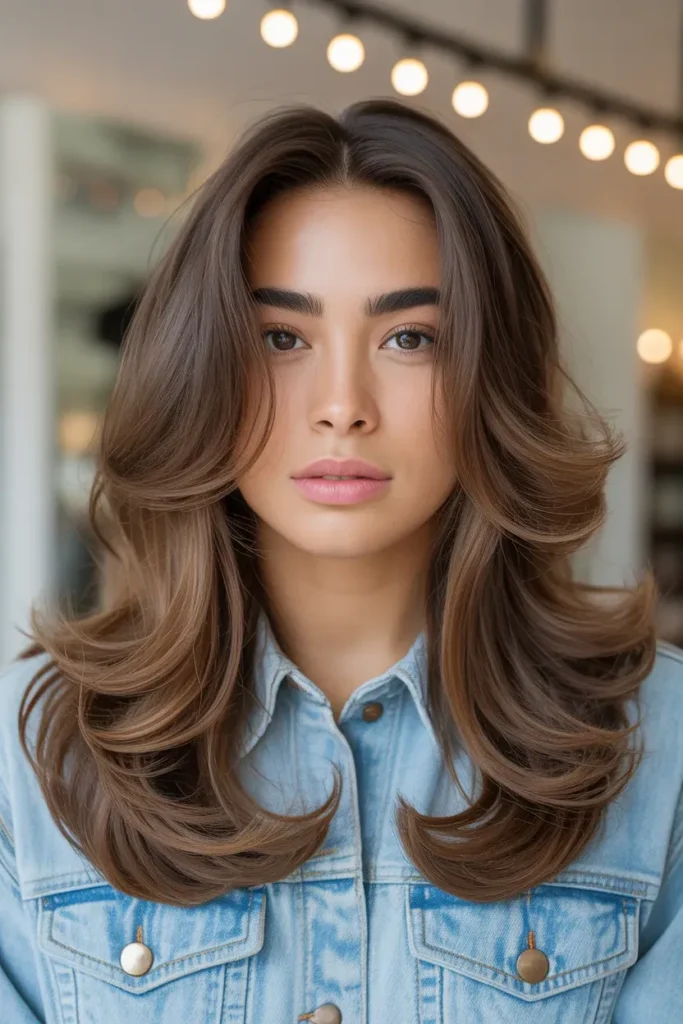
Blowout layers are cut to maximize that salon-bouncy finish. Ask for long layers with extra volume through the crown and ends that flip under or out easily. The styling is the star: work in sections with a large round brush on nearly-dry hair, rolling each section and letting it cool on the brush before releasing. A volumizing mousse at the roots is non-negotiable. Sleep in a loose top bun to preserve the bounce for day two.
5. Curtain Bang Layers
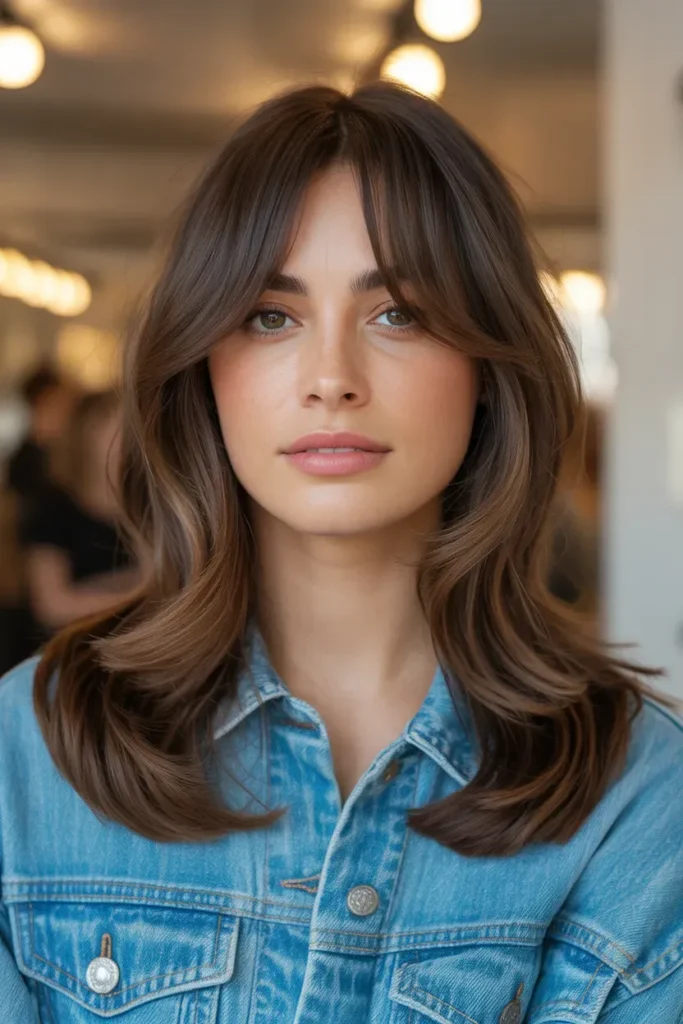
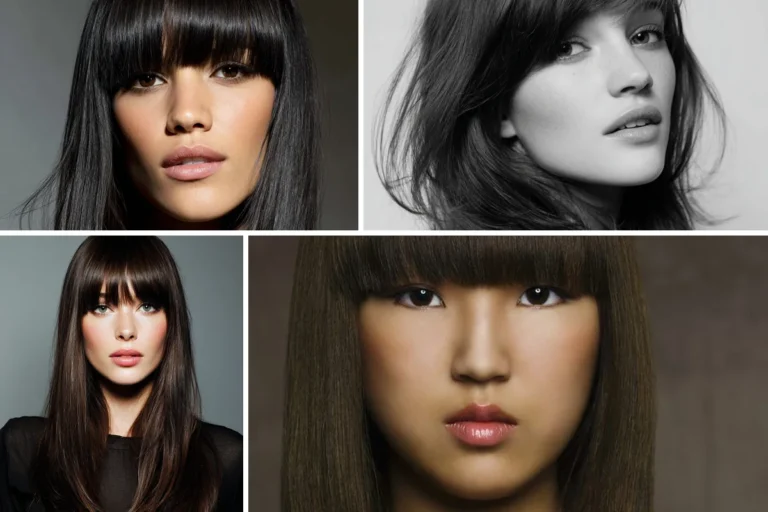
Curtain bangs melt into long layers for the most flattering frame. Ask for bangs parted in the middle, longest at the cheekbones, blending seamlessly into the face-framing layers. The bangs should be cut dry so the length is honest. Style with a round brush, sweeping each side away from the center part. They grow out gracefully into regular layers, so there is no awkward phase. Trim every four weeks to keep the curtain shape defined.
6. Sleek Straight Layers
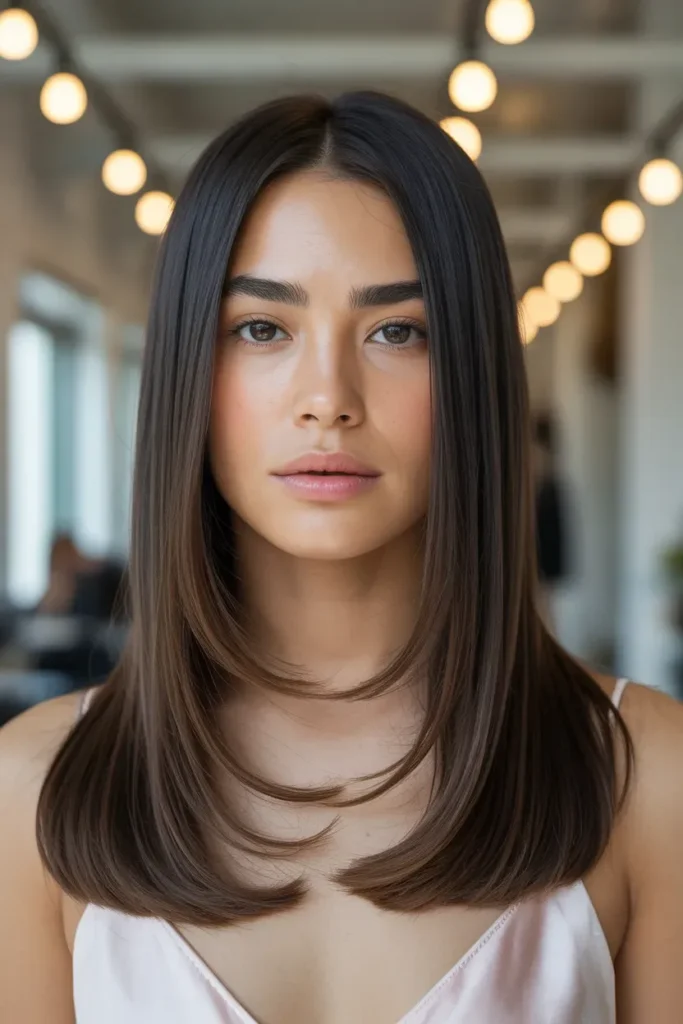
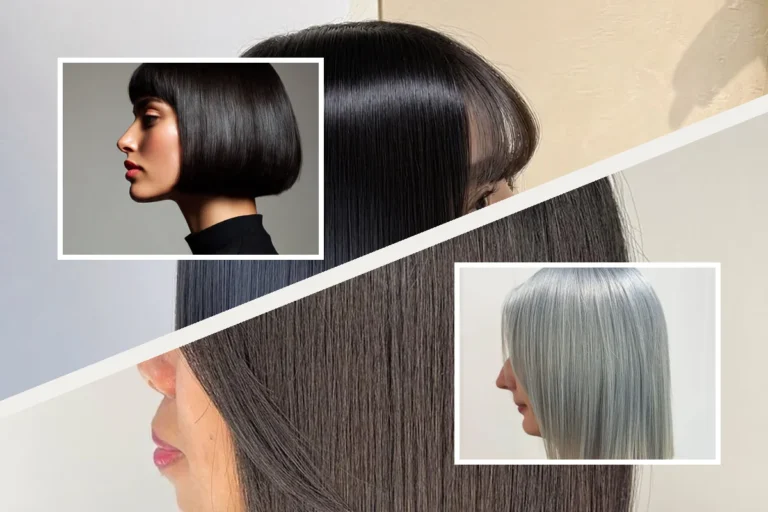
Sleek straight layers prove layers are not just for volume — they add polish to pin-straight hair too. Ask for long, subtle layers that remove weight without creating visible steps, keeping the perimeter thick. The finish is everything: blow-dry smooth with a paddle brush, flat-iron in thin sections, and seal with a shine serum. Layers prevent the flat, curtain-like effect of one-length long hair. Use heat protectant every time — sleek styles show damage fastest.
Quick Win: Flat-iron only the top layer and the face-framing pieces for daily touch-ups. The under-layers stay smooth from wash day.
7. Textured Beach Layers
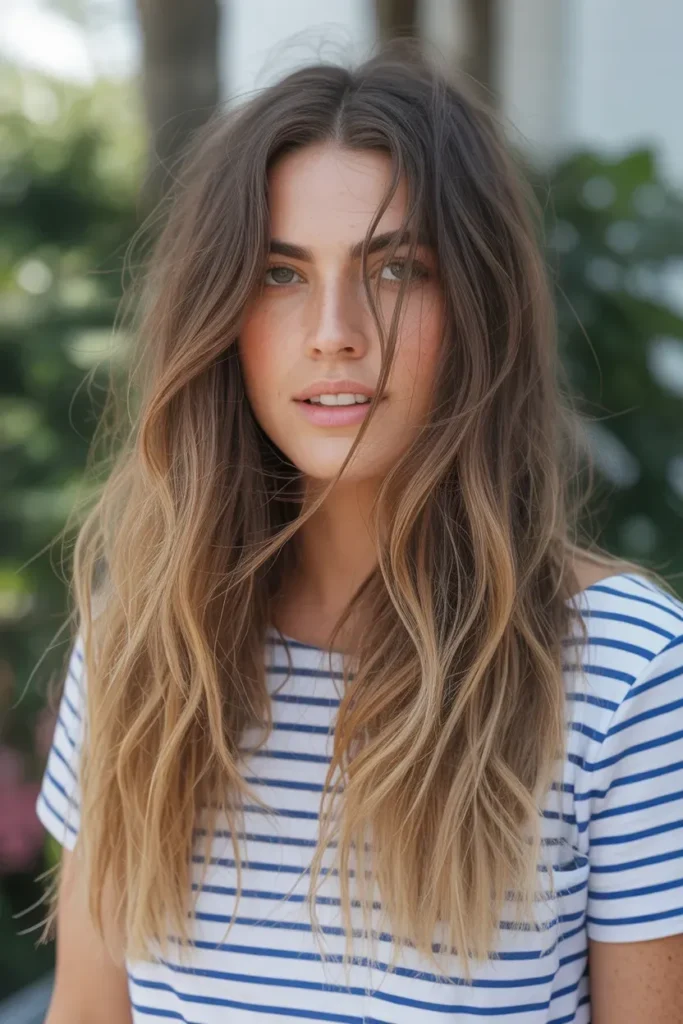
Beach layers are all about undone texture. Ask for choppy, point-cut layers through the mid-lengths and ends, with plenty of separation. Style by working salt spray or texture spray through damp hair, twisting random sections, and letting it air-dry. The messier, the better — this cut is designed to look better slightly disheveled. It suits wavy and straight textures that hold a bend. This is the ultimate low-maintenance layered cut for weekends and holidays.
8. Flip End Layers
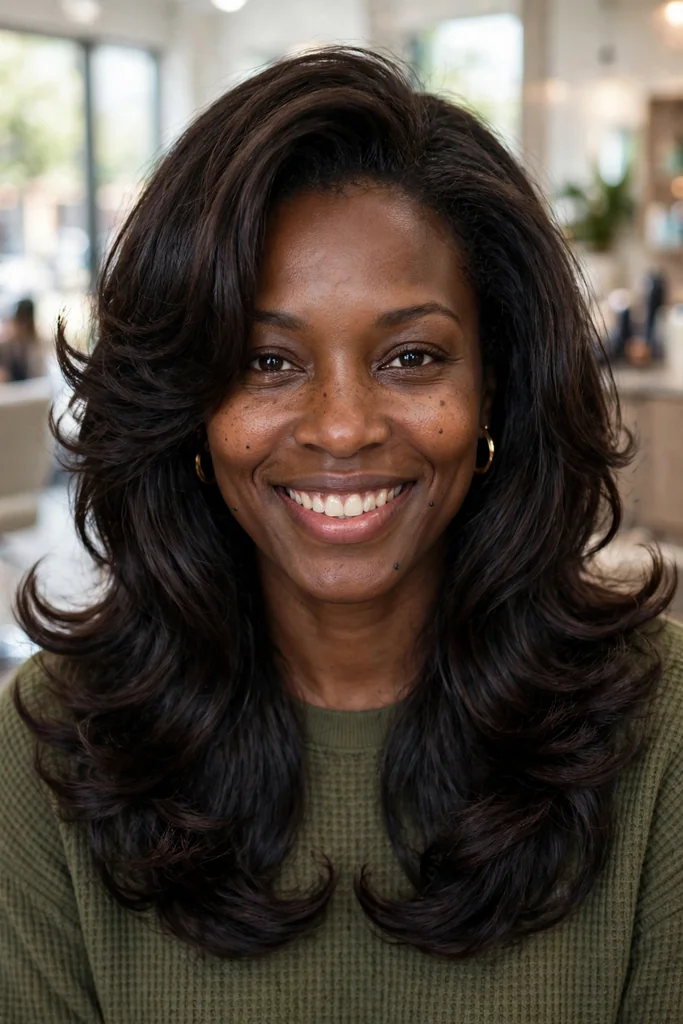
Flip ends bring retro bounce to long layers. Ask for layers cut to flip outward easily, with the ends textured so they turn rather than sitting flat. Style by blow-drying with a round brush, rolling the ends outward, or use a flat iron to flick the last two inches out. A light-hold hairspray keeps the flips from falling. The look is playful and fresh — a nice change if your layers usually turn under. Works best on medium to thick hair that holds a shape.
Quick Win: Flip ends while the hair is still warm from styling, then let them cool flipped. Cool-set flips last hours longer.
9. Shaggy Long Layers
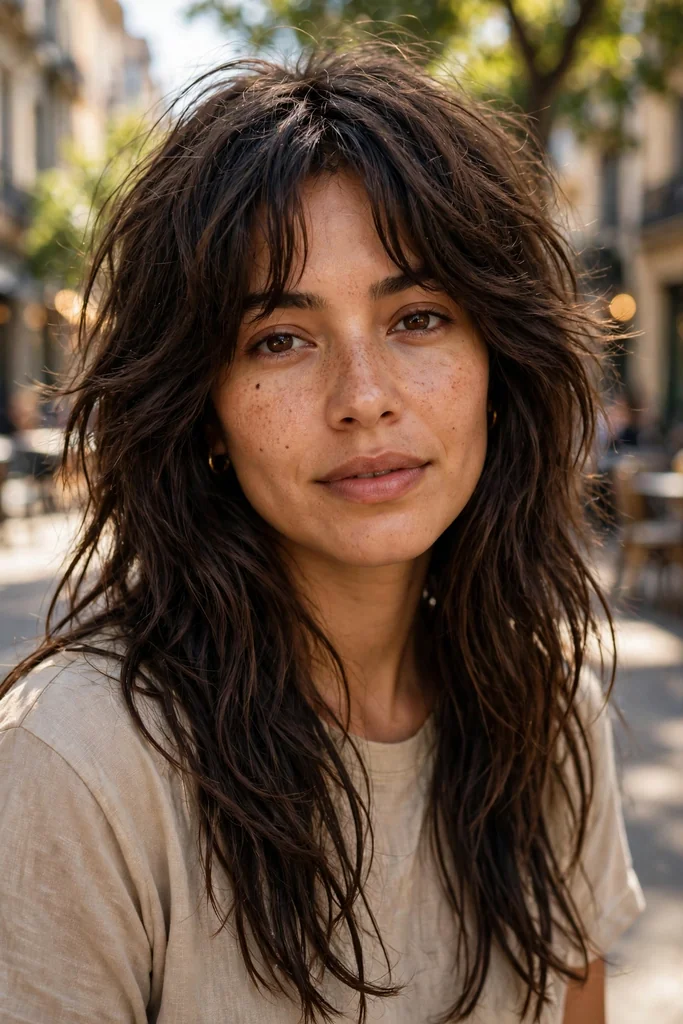
The long shag layers heavy texture over serious length. Ask for choppy layers throughout with shorter pieces at the crown, curtain bangs, and lots of internal texture cut in with a razor. Style with mousse on damp hair, scrunching and diffusing or air-drying for maximum tousle. The shag embraces imperfection — bedhead is the goal. It needs trims every six to eight weeks since grown-out shaggy layers lose their shape faster than classic cuts.
10. U-Cut Flow Layers
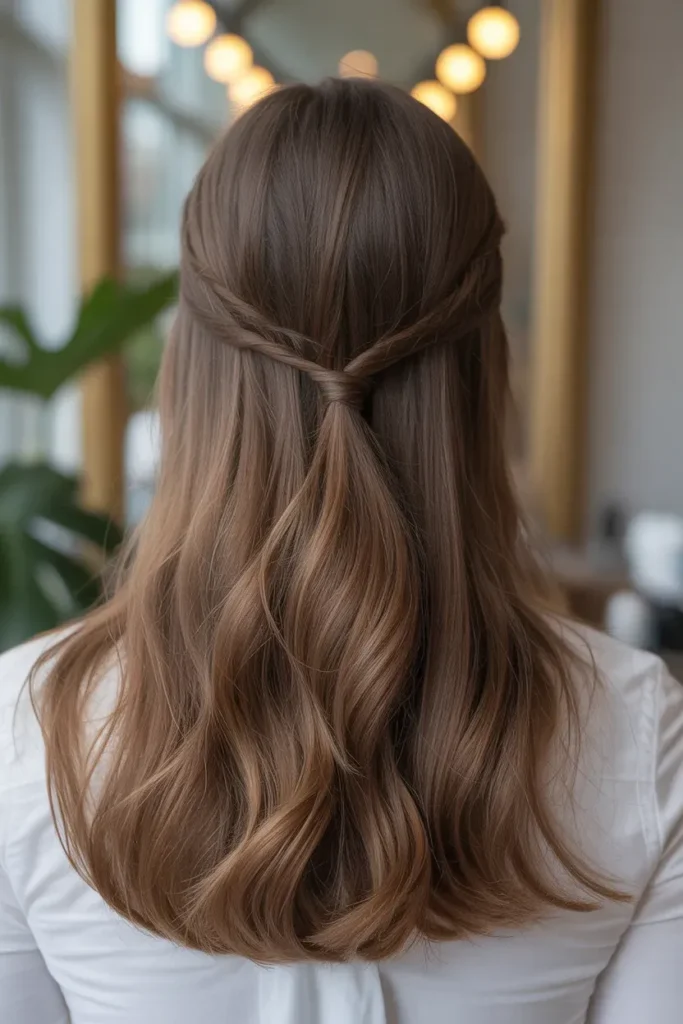
The U-cut shapes the back perimeter into a soft U, with the longest point at the center. Ask for the U shape combined with long flowing layers so the back view has as much interest as the front. The U-cut keeps the sides full while removing weight at the back, which suits thick hair beautifully. Style straight to show off the shape, or in waves for softness. It is a subtle change that makes long hair look intentionally shaped rather than simply grown out.
11. V-Cut Layer Shape
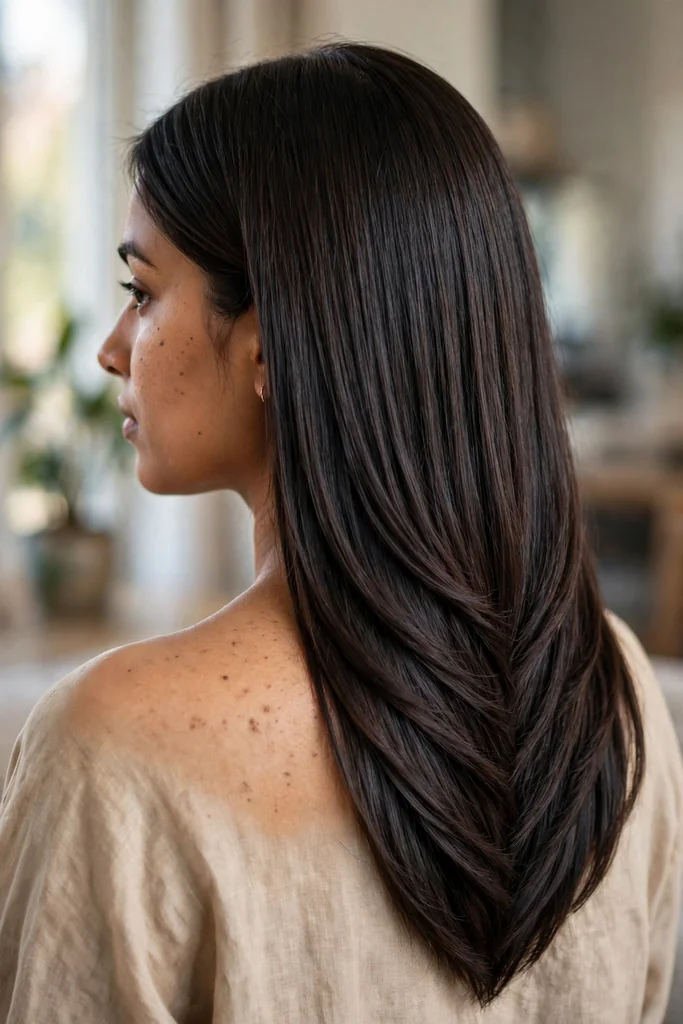
The V-cut is the drama option: layers tapering to a defined point at the back. Ask for a sharp V perimeter with graduated layers leading into the point, keeping the front pieces long enough to balance. The V shape shows best on straight or sleek-blow-dried hair — curls soften the point. It creates the illusion of extra length, making it popular with growers. The trade-off is thinner-looking ends, so it suits thick hair better than fine.
Quick Win: Ask your stylist to show you the V in a hand mirror before you leave. The angle is everything, and it is easy to adjust on the spot.
12. Invisible Soft Layers
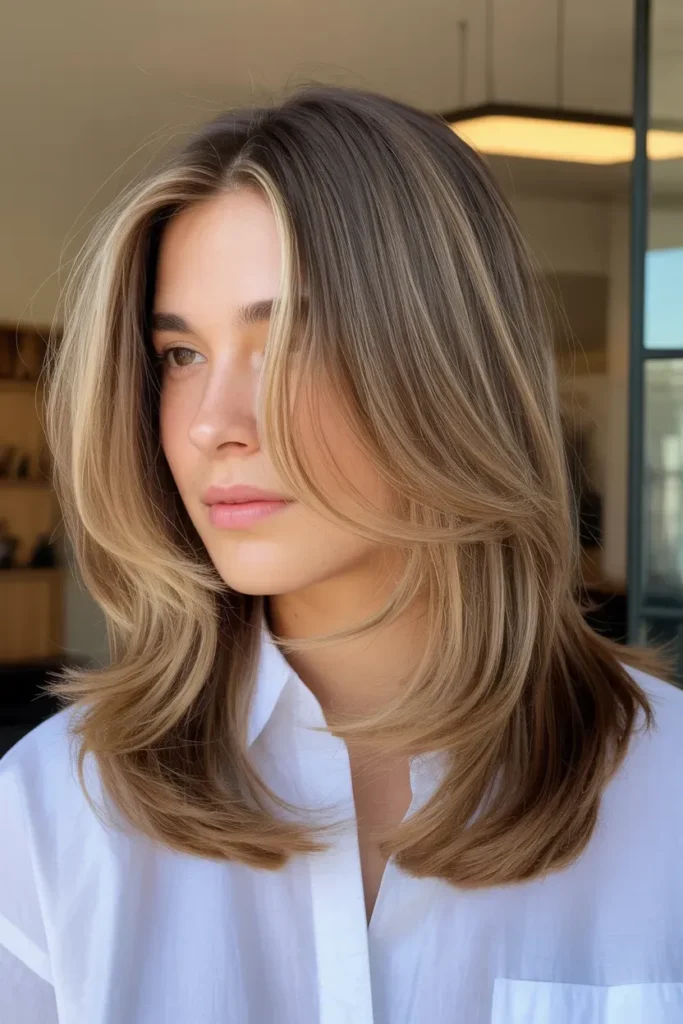
Invisible layers are cut inside the hair so the surface looks one-length while the interior moves freely. Ask for internal layering with no visible steps — the cut should look blunt but feel light. This technique removes bulk without sacrificing the thick perimeter, making it ideal for very thick hair that needs weight removed invisibly. Styling is simple since the shape does the work: blow-dry smooth or air-dry, and the layers create natural movement.
13. Glossy Layer Finish
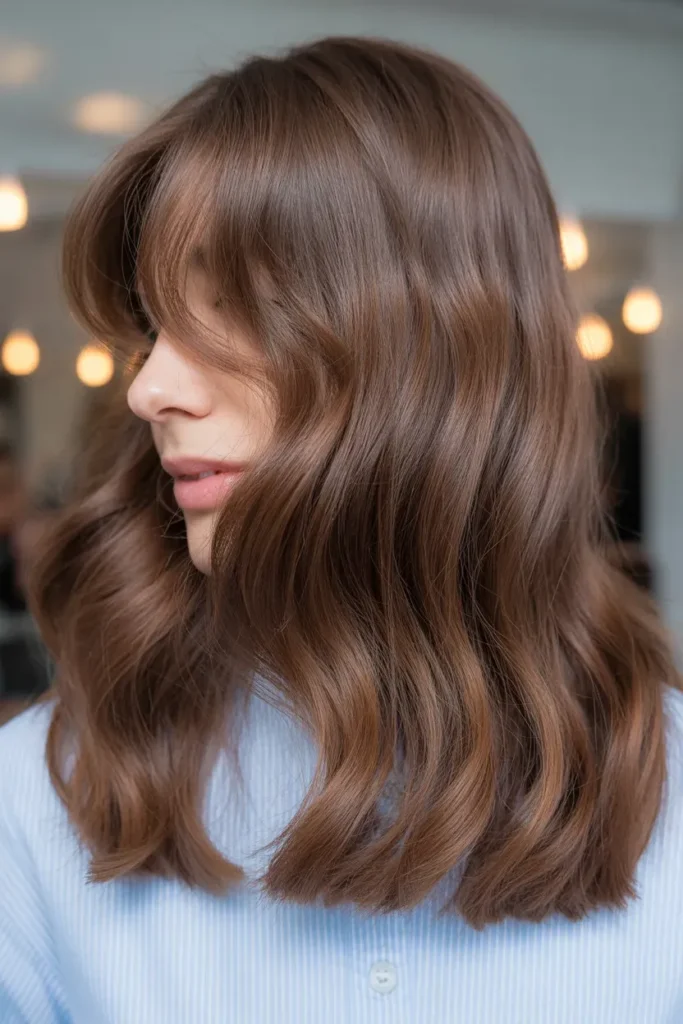
Glossy layers are about the finish as much as the cut. Ask for clean long layers, then add shine with a salon gloss treatment in your natural tone — it seals the cuticle so light reflects evenly across every layer. At home, maintain with a shine serum on the mid-lengths and ends, and a weekly glossing mask. Layers catch light at different angles, which is why they look glossier than one-length hair. The effect is expensive-looking healthy hair.
Quick Win: A clear gloss at the salon every 8 weeks costs less than color and makes any layered cut look freshly done.
14. Wispy End Layers
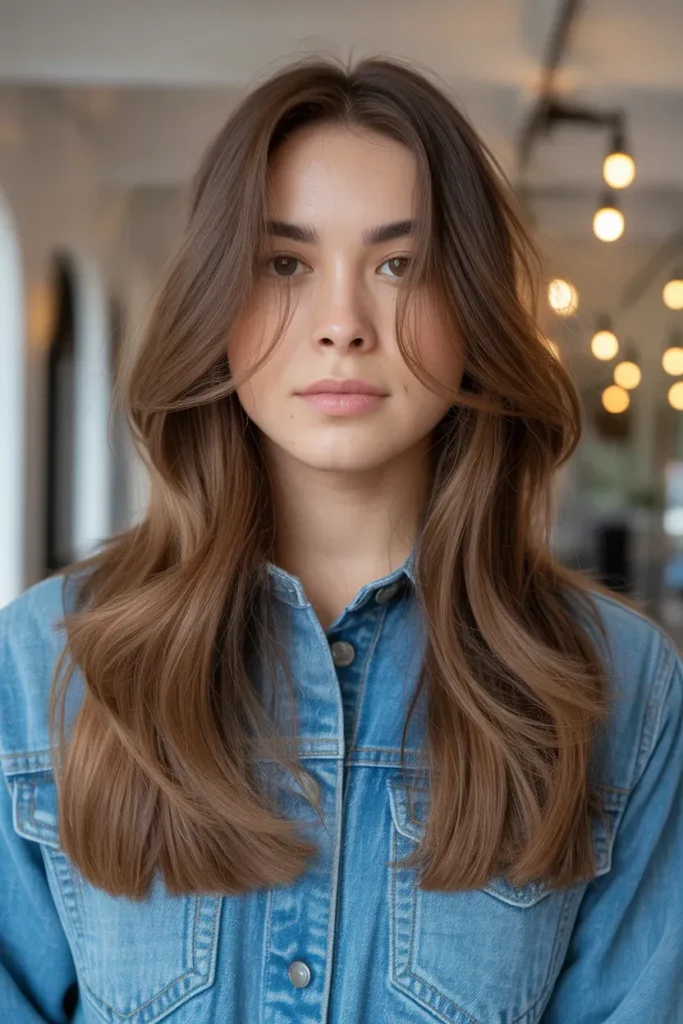
Wispy ends soften the bottom of long layered hair for a romantic, featherlight finish. Ask for the last two to three inches to be point-cut into soft wisps rather than left blunt. The wispy ends move beautifully and prevent the heavy shelf that thick hair can develop. Style with a light wave or straight — both show off the delicate ends. This detail works on most lengths past the shoulders and flatters fine hair by avoiding harsh lines.
15. Highlight Blend Layers
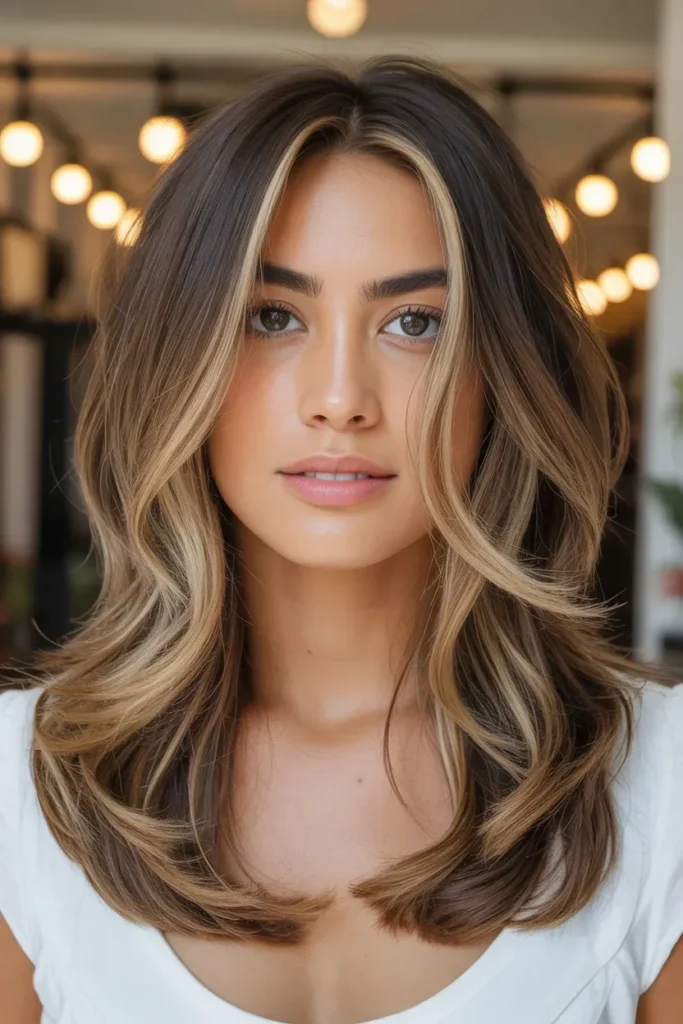
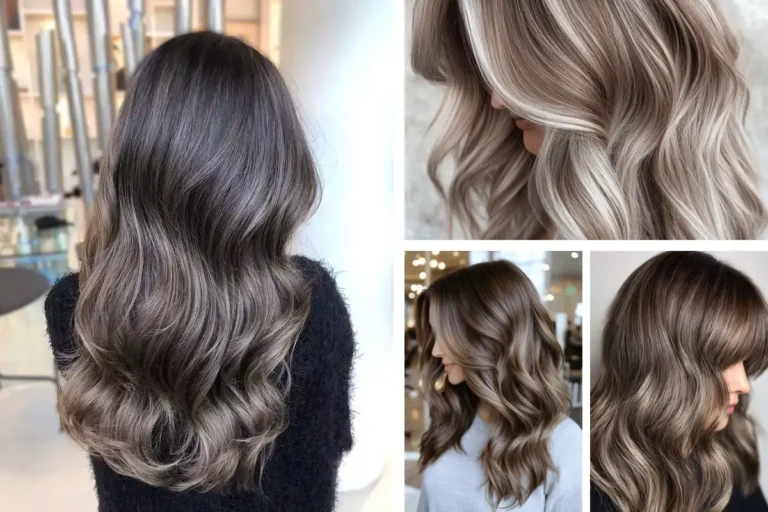
Layers and highlights are better together — the color follows the cut’s movement. Ask for balayage or babylights painted to emphasize the layering, with brighter pieces on the face-framing layers and through the ends. The highlights make each layer visible, adding dimension that a single color cannot. Maintain with color-safe shampoo and a gloss refresh every ten weeks. If you are getting layers cut, consider the color in the same appointment for a cohesive result.
Quick Win: Ask for the highlights to be placed after the cut, not before. The colorist can then paint exactly where the layers fall.
16. Minimal Straight Layers
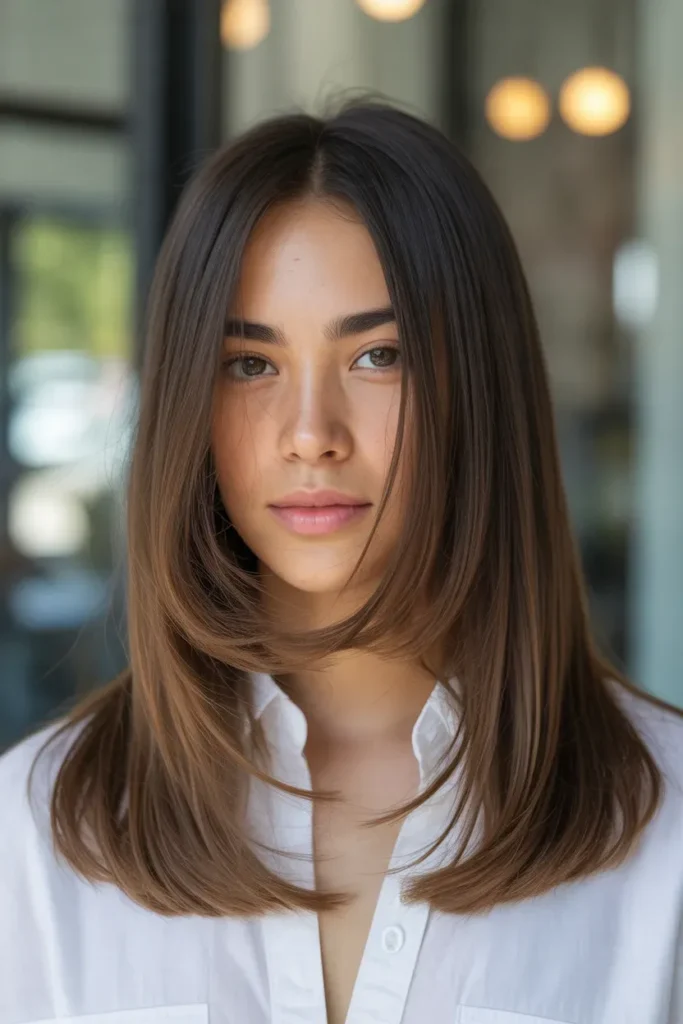
Minimal layers are for long-hair purists who want just enough shaping. Ask for two or three very long layers, starting below the chest, that barely disturb the overall length. The effect is subtle: ends that move instead of hanging, and a shape that photographs better. Styling could not be simpler — blow-dry straight or air-dry, and the cut looks intentional. This is the right choice if you are growing your hair and want to keep every inch while avoiding the triangle.
Layers Are a Haircut, Not Just a Length
The right long layers hairstyles do more than remove weight — they change how your hair moves, catches light, and frames your face. Match the technique to your texture and the maintenance to your routine, bring clear references to your stylist, and remember that great layers grow out well. Long hair is a commitment; layers are what make it feel effortless.
Frequently Asked Questions
What is the difference between U-cut and V-cut layers?
A U-cut shapes the back into a soft rounded U with the longest point at center back, keeping fullness at the sides. A V-cut tapers to a defined point, creating more drama and the illusion of extra length but thinner-looking ends.
How often do long layers need trimming?
Every 8–12 weeks for most layered cuts, depending on the technique. Face-framing pieces and curtain bangs need more frequent trims (4–6 weeks), while invisible and minimal layers can stretch to 12 weeks.
Do layers work on thin, fine hair?
Yes, with the right technique — long, minimal layers or invisible internal layers add movement without sacrificing density. Avoid heavy layering or shaggy cuts on fine hair, as they can make ends look sparse.
Can I get layers without losing length?
Absolutely. Ask for long layers starting below the chin or chest, invisible internal layers, or just face-framing pieces. A good stylist can reshape long hair while keeping the overall length nearly intact.
How do I style long layers quickly?
Blow-dry with a round brush for polish, or apply a styling cream and air-dry for an easy finish. Layers are designed to create shape on their own — most days need only a quick refresh of the face-framing pieces.