18 Split Dye Hair Trend Ideas for Modern Looks That Pop
Split dye is the hair trend for anyone who refuses to choose just one color — the head divided straight down the middle into two contrasting shades, worn with total confidence. It is bold, graphic, and endlessly customizable, from wearable black-and-blonde to full neon fantasy. But a clean split takes real technique: the center part has to be razor-sharp, the two sides need equal lift, and upkeep is twice the work of a single color. This list of split dye hair trend ideas gives you 18 color pairings worth trying, each with honest notes on difficulty, maintenance, and what to tell your colorist so both halves come out crisp.
1. Black & Platinum Split

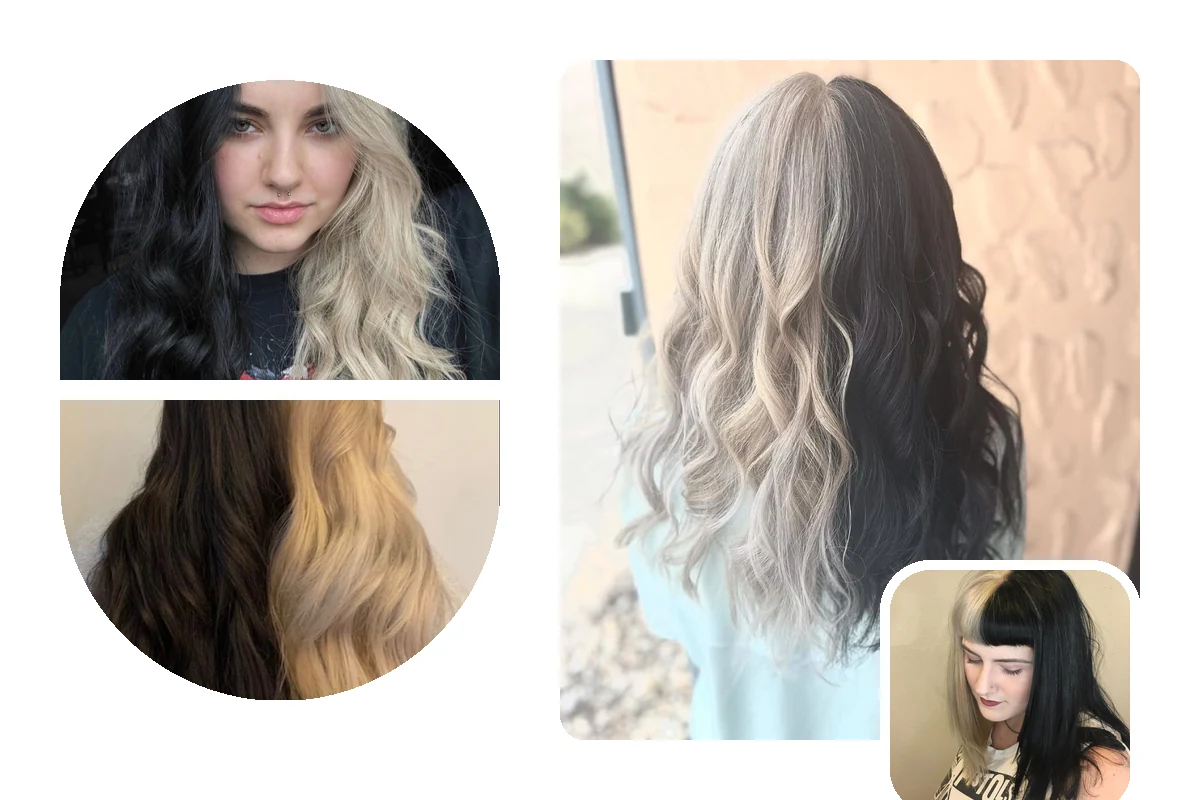
The black and platinum split is the icon of the trend — one half jet black, the other icy platinum, divided by a razor-sharp center part. This is a job for a qualified colorist: the platinum side needs lifting to level ten with careful toning, while the black side must be shielded from bleach overlap. Ask for a foil barrier at the part line. It suits straight hair best, where the graphic divide reads cleanest. Expect root touch-ups every four to five weeks, since regrowth shows fast on both extremes.
Quick Win: Part your hair with a tail comb while it is damp and let it set — a wet-set center part stays razor-straight and makes the split look twice as sharp.
2. Pink & Lavender Split

Pink and lavender is the soft-girl version of split dye — cotton-candy pink on one side, cool lavender on the other, blending like a pastel dream. Both shades need pre-lightened hair at level nine or ten, so this suits hair that is already blonde or lightened. Ask your colorist for pastel direct dyes with a slightly deeper root for a lived-in feel. Style in loose waves to soften the divide. Pastels fade fastest, so wash with cool water and sulfate-free shampoo, and plan refreshes every three to four weeks.
3. Blonde & Chocolate Split

Blonde and chocolate is the most wearable split dye — warm golden blonde on one side, rich chocolate brown on the other, giving contrast without neon commitment. It suits naturally medium-brown hair since only the blonde half needs significant lifting. Ask for a level-seven blonde with golden tones against a level-five chocolate, keeping the part line crisp. It grows out more forgivingly than brighter splits and pairs well with everyday styling. A purple shampoo keeps the blonde half bright between appointments.
Quick Win: This is the best split to try first: the brown half needs almost no upkeep, so you only maintain one side while you test whether you like the look.
4. Neon Green & Black

Neon green against black is pure statement — electric lime on one side, inky black on the other, for maximum visual impact. The green half needs full bleaching to pale yellow before the neon goes on, so book this with an experienced colorist and expect a long appointment. Ask for a sealed, straight center part and bond-building treatment during the lift. It suits straight, blunt cuts where the color does all the talking. Neon fades quickly, so cool washes and color-depositing conditioner stretch it to four weeks.
5. Silver & Midnight Blue

Silver and midnight blue split dye pairs icy metallic silver with deep, inky blue for a cool-toned, almost otherworldly finish. Both halves need serious lift — silver especially demands level-ten blonde with no yellow left — so this is high-commitment color. Ask your colorist for a silver toner with violet base on one side and a deep blue direct dye on the other. It suits straight or sleek styles that show the metallic shine. Silver fades fastest, so plan toning refreshes every three weeks.
Quick Win: Ask for the silver side to be toned with a violet base, not blue — blue-based silver turns steely gray within a week on most hair.
6. Peach & Coral Split

Peach and coral split dye is warm, juicy, and fun — soft peach on one side melting into vibrant coral on the other. Both are direct-dye shades over pre-lightened hair, so it suits blondes or anyone willing to lift first. Ask for the peach slightly lighter and the coral more saturated so the two halves read as distinct. Style in waves to blend the boundary softly. Warm pastels fade gracefully into each other, and a color-depositing mask in coral keeps the brighter side vivid between salon visits.
7. Pastel Blue & Pink

Pastel blue and pink is the cotton-candy classic — baby blue on one side, soft pink on the other, divided cleanly down the middle. Like all pastels, it needs level-ten pre-lightened hair and fades within three to four weeks, so commit to the maintenance before you commit to the color. Ask your colorist for even, cool-toned pastels with a slightly deeper root to soften regrowth. It suits wavy and straight hair alike. Wash cold and infrequently, and keep both shades in color-depositing conditioners.
8. Red & Black Contrast

Red and black split dye is the rock-and-roll pairing — vivid cherry or crimson on one side, jet black on the other. The red half needs lifting to at least level seven for true vibrancy, while black covers everything, so the contrast is dramatic by design. Ask for a permanent red with a direct-dye overlay for maximum intensity. It suits straight, edgy cuts and bold makeup looks. Red bleeds, so wash the two halves separately at first and use cool water to keep the black from picking up red tones.
Quick Win: Wash the red side first and separately for the first three washes; red bleeds aggressively and will tint the black side pink if they mix.
9. Blonde & Lilac Split

Blonde and lilac split dye is subtle rebellion — creamy blonde on one side, dusty lilac on the other, close enough in tone to feel cohesive but different enough to turn heads. It suits pre-lightened hair best, since lilac needs a near-white base to read true. Ask for a beige-blonde on one side and a muted lilac toner on the other, with the part line slightly softened. It is one of the easiest splits to grow out and works beautifully in waves or braids.
10. Emerald & Jet Black

Emerald green against jet black is rich, moody, and jewel-toned — deep emerald on one side, black so dark it looks blue in the light on the other. The emerald half needs lifting to level eight, then a deep green direct dye layered for richness. Ask your colorist for a green with blue undertones so it stays emerald rather than drifting teal. It suits straight hair and dramatic styling. Green fades toward blue, so refresh with a green color-depositing conditioner every two weeks.
Quick Win: Apply green color-depositing conditioner to damp hair for ten minutes weekly — emerald holds its jewel tone far longer with this habit.
11. Orange & Yellow Flames

Orange and yellow split dye looks like actual fire — tangerine orange on one side, golden yellow on the other, with the boundary glowing where they meet. Both halves need full bleaching to pale yellow, making this one of the most lift-intensive options here. Ask for saturated direct dyes with the orange slightly deeper at the root. It suits wavy and curly hair, where the colors blend like flames. Warm vivids fade fast in sun, so UV-protectant spray is non-negotiable for this one.
12. Rose Gold & Blonde

Rose gold and blonde split dye is the romantic metallic — blush-pink metallic on one side, classic creamy blonde on the other. It suits pre-lightened hair and flatters warm undertones beautifully. Ask for a rose-gold gloss over level-nine blonde on the pink side and a neutral blonde on the other, keeping both halves in the same lightness family so the split feels harmonious. It is lower-contrast than most splits, making it the easiest to wear daily. Refresh the rose gold with a tinted gloss every four weeks.
Quick Win: Ask for both halves in the same lightness level; when the two sides match in depth, the split reads intentional rather than accidental.
13. Teal & Silver

Teal and silver split dye pairs deep ocean teal with bright metallic silver — cool, striking, and unapologetically bold. The silver side needs level-ten lift while the teal needs level eight, so ask your colorist to plan the bleaching in stages with bond protection. Keep the part line sharp for maximum graphic impact. It suits straight, sleek hair that shows off the metallic finish. Teal fades toward mint and silver toward yellow, so each half needs its own toning product between appointments.
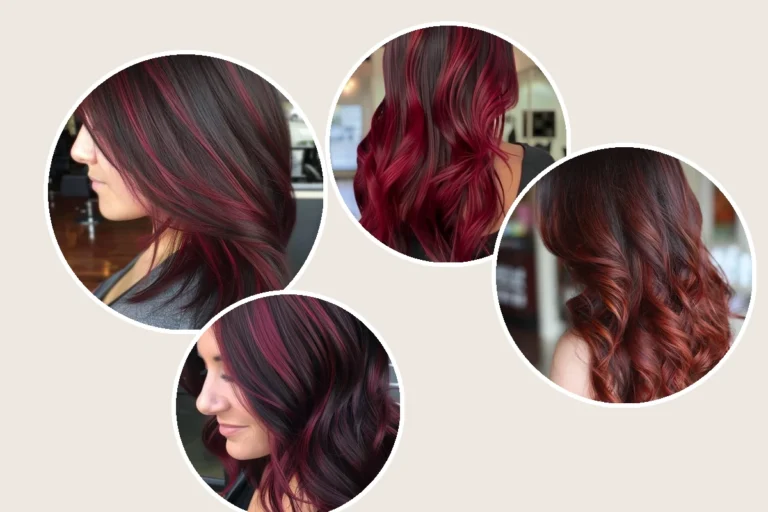
14. Burgundy & Pink

Burgundy and pink split dye is rich meets playful — deep wine burgundy on one side, bright bubblegum pink on the other. The burgundy half can often be achieved with permanent color over medium-brown hair, while the pink needs pre-lightening, so the two sides have different difficulty levels. Ask for a cool burgundy to keep it from reading brown. It suits wavy hair where the two tones swirl together. Pink fades fastest, so keep a pink depositing mask on hand for weekly refreshes.
15. Mint & Lavender

Mint and lavender split dye is pastel serenity — cool mint green on one side, soft purple on the other, like spring in hair form. Both need level-ten pre-lightened hair and fade within three weeks, so this is strictly for the dedicated pastel lover. Ask for even, icy pastels with no yellow peeking through. It suits straight or loosely waved hair best. The maintenance is real: cold washes only, sulfate-free everything, and both shades topped up with pastel depositing conditioners between salon visits.
Quick Win: Stock both pastel shades as depositing conditioners before your appointment — you will need them within two weeks, not two months.
16. Copper & Auburn

Copper and auburn split dye keeps things in the red family — bright copper on one side, deeper auburn on the other, for contrast that still feels cohesive. It suits naturally dark blonde to brown hair, since copper lifts easily and auburn can go over darker bases. Ask for a true orange-copper, not strawberry blonde, against a rich red-brown auburn. It flatters warm undertones and green or hazel eyes especially well. Copper fades fastest, so a copper depositing shampoo keeps both halves balanced.
17. Blue & Purple Split

Blue and purple split dye is the galaxy pairing — vivid cobalt on one side, rich violet on the other, blending into indigo where they meet. Both need bleaching to level eight or nine, so expect a substantial color appointment. Ask for saturated direct dyes with the boundary slightly diffused rather than razor-sharp for a cosmic melt effect. It suits long hair where the colors have room to blend. Blue fades toward teal and purple toward pink, so embrace the evolution or refresh monthly.
Quick Win: Let the boundary diffuse slightly instead of demanding a razor line; blue and purple blend into a gorgeous indigo where they meet.
18. Blonde & Pink Split

Blonde and pink split dye is the sweetheart of the trend — creamy blonde on one side, bubblegum pink on the other, playful but polished. The blonde half can stay as low-maintenance as your natural blonde routine, while the pink needs pre-lightening and regular refreshing. Ask for the pink slightly deeper at the root for a softer grow-out. It suits wavy hair and casual styling. Keep a pink depositing conditioner in your shower and the pink half stays vivid for a full month between appointments.
Two Colors, Twice the Fun
Split dye is a commitment — two colors, two maintenance schedules, and a center part that has to stay sharp. But if you love the look, it is worth every minute: few trends photograph better or express more personality. Start with a wearable pairing if you are new, choose a colorist with real vivid-color experience, and stock the right aftercare before your appointment. Both halves deserve the effort.
Frequently Asked Questions
How long does split dye hair color last?
Permanent halves like black or brown last until they grow out, while vivid and pastel halves fade in three to six weeks depending on the shade. Each side needs its own maintenance schedule — plan root touch-ups for the dark side and color refreshes for the vivid side separately.
Is split dye damaging to hair?
It can be, because at least one half usually needs bleaching to a high level. A qualified colorist using bond-building treatments keeps the damage minimal, and the healthiest approach is lightening only the half that truly needs it. Deep-condition weekly and limit heat styling to protect both sides.
Can I do split dye at home?
A split dye needs a perfectly straight center part and clean separation between two colors, which is very hard to do on yourself. Box dye also cannot safely lift one half to platinum while keeping the other untouched. For crisp, even results, book a colorist experienced with vivid or corrective color.
How do I maintain two different hair colors?
Treat each half as its own color: wash with cool water and sulfate-free shampoo, use color-depositing products matched to each side, and wash the halves separately for the first few washes if one side bleeds. Book refresh appointments based on the faster-fading side’s schedule.
What is the easiest split dye combination for beginners?
Blonde and chocolate or blonde and pink are the most forgiving — one half stays close to a natural shade, so only one side needs serious upkeep. Avoid platinum or neon pairings for your first split dye, since both halves demand intense maintenance from day one.